Polycystic Ovary Syndrome (PCOS) is one of the most common hormonal disorders affecting women of reproductive age. Millions of women worldwide experience PCOS, yet many remain undiagnosed for years because the symptoms can vary significantly from person to person. Early diagnosis and proper treatment are essential to prevent long-term health complications and improve overall quality of life.
If you are searching for PCOS symptoms and treatment options in Hyderabad, understanding the causes, warning signs, diagnosis methods, and available treatments can help you take the first step toward better reproductive and hormonal health.
What is PCOS?
Polycystic Ovary Syndrome is a hormonal condition that affects the ovaries and the body’s hormone balance. Women with PCOS often produce higher-than-normal levels of male hormones called androgens, which can interfere with normal ovulation and menstrual cycles.
PCOS can affect fertility, metabolism, weight management, skin health, and emotional well-being. While the exact cause is not fully understood, genetics, insulin resistance, and hormonal imbalances are believed to play important roles.
Common Symptoms of PCOS
The symptoms of PCOS can vary from woman to woman. Some women experience mild symptoms, while others may have more noticeable health concerns.
Irregular Periods
One of the most common signs of PCOS is irregular menstrual cycles. Women may experience:
- Missed periods
- Delayed periods
- Infrequent menstruation
- Heavy menstrual bleeding
Irregular ovulation often causes these menstrual abnormalities.
Weight Gain
Many women with PCOS struggle with weight gain, particularly around the abdomen. Hormonal imbalances and insulin resistance can make it difficult to maintain a healthy weight.
Excess Hair Growth
Higher androgen levels may lead to excessive hair growth on the face, chest, abdomen, and back. This condition is known as hirsutism.
Acne and Oily Skin
Hormonal changes associated with PCOS can increase oil production, resulting in acne and persistent skin problems.
Hair Thinning
Some women experience thinning hair or hair loss from the scalp due to elevated androgen levels.
Difficulty Getting Pregnant
PCOS is one of the leading causes of infertility because it can interfere with regular ovulation.
Dark Skin Patches
Darkened skin around the neck, underarms, or groin area may be associated with insulin resistance commonly seen in PCOS.
Mood Changes
Many women with PCOS report symptoms such as:
- Anxiety
- Depression
- Mood swings
- Reduced self-confidence
Hormonal fluctuations can significantly affect emotional health.
Causes of PCOS
Although the exact cause remains unknown, several factors contribute to PCOS development.
Hormonal Imbalance
Women with PCOS often have elevated androgen levels that disrupt normal ovulation.
Insulin Resistance
Insulin resistance causes the body to produce more insulin, which can stimulate androgen production and worsen PCOS symptoms.
Genetic Factors
PCOS often runs in families. Women with close relatives who have PCOS may have a higher risk of developing the condition.
Chronic Inflammation
Low-grade inflammation may contribute to increased androgen production and hormonal imbalances.
Who is at Risk of PCOS?
Certain factors increase the likelihood of developing PCOS.
Risk factors include:
- Family history of PCOS
- Obesity
- Insulin resistance
- Type 2 diabetes
- Hormonal disorders
Understanding these risk factors can encourage early screening and diagnosis.
How is PCOS Diagnosed?
Diagnosing PCOS typically involves a combination of medical history, physical examination, laboratory tests, and imaging studies.
Medical History Review
Doctors evaluate menstrual patterns, symptoms, weight changes, and family history.
Physical Examination
A healthcare provider may check for signs such as excess hair growth, acne, and weight gain.
Blood Tests
Hormone testing helps evaluate androgen levels, insulin resistance, thyroid function, and other hormonal conditions.
Ultrasound Scan
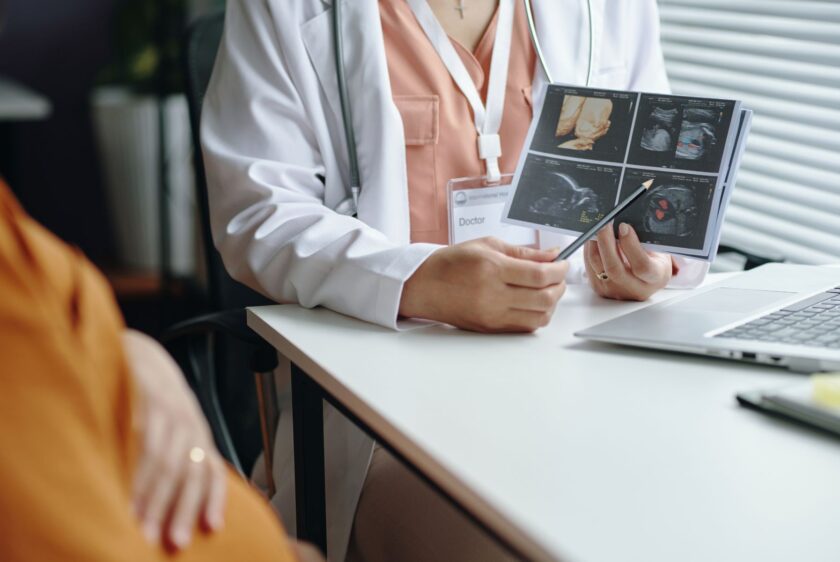
Pelvic ultrasound can help identify ovarian changes commonly associated with PCOS.
Accurate diagnosis is important because many other conditions can produce similar symptoms.
Health Complications Associated with PCOS
Untreated PCOS can increase the risk of several long-term health conditions.
Infertility
Irregular ovulation may make it difficult to conceive naturally.
Type 2 Diabetes
Insulin resistance significantly increases the risk of developing diabetes.
High Blood Pressure
Women with PCOS may be more prone to hypertension and cardiovascular disease.
Sleep Apnea
Obesity and hormonal imbalances can increase the likelihood of sleep-related breathing disorders.
Endometrial Problems
Irregular menstrual cycles may increase the risk of uterine lining abnormalities.
Mental Health Concerns
Anxiety, depression, and emotional stress are common among women living with PCOS.
Early treatment helps reduce the risk of these complications.
Treatment Options for PCOS
Although there is no permanent cure for PCOS, effective treatment can successfully manage symptoms and improve overall health.
Lifestyle Modifications
Lifestyle changes are often the first step in PCOS management.
Healthy Diet
A balanced diet can help regulate hormones and improve insulin sensitivity.
Recommended dietary habits include:
- Eating more fruits and vegetables
- Choosing whole grains
- Reducing processed foods
- Limiting sugary beverages
- Including lean proteins
Regular Exercise
Physical activity helps:
- Improve insulin sensitivity
- Support weight management
- Reduce stress
- Improve hormonal balance
Even moderate exercise can provide significant benefits.
Weight Management
For overweight individuals, even modest weight loss can improve ovulation and reduce PCOS symptoms.
Weight management often leads to:
- More regular menstrual cycles
- Improved fertility
- Better blood sugar control
- Reduced androgen levels
Medications
Doctors may recommend medications depending on individual symptoms and treatment goals.
Medical treatments may help:
- Regulate menstrual cycles
- Improve ovulation
- Manage insulin resistance
- Reduce acne and hair growth
- Support fertility treatment
Treatment plans are personalized based on each patient’s needs.
Fertility Treatment
Women experiencing infertility due to PCOS may benefit from specialized fertility management and ovulation support.
Early consultation with a gynecologist can improve pregnancy outcomes.
PCOS and Pregnancy
Many women with PCOS successfully conceive and have healthy pregnancies with proper medical care.
Pregnancy planning may involve:
- Hormonal evaluation
- Weight management
- Ovulation monitoring
- Prenatal health optimization
Regular prenatal care is especially important for women with PCOS because they may have a higher risk of pregnancy-related complications.
Importance of Early Diagnosis
Many women ignore symptoms such as irregular periods, acne, or weight gain, assuming they are normal. However, early diagnosis offers several advantages.
Benefits of early PCOS detection include:
- Better symptom control
- Improved fertility outcomes
- Reduced risk of diabetes
- Improved cardiovascular health
- Better emotional well-being
Seeking medical attention at the first signs of hormonal imbalance can make a significant difference.
Tips for Managing PCOS Naturally
In addition to medical treatment, women can adopt healthy habits to improve symptoms.
Helpful lifestyle practices include:
- Maintaining a healthy weight
- Following a balanced diet
- Exercising regularly
- Managing stress effectively
- Getting adequate sleep
- Attending regular health checkups
Consistency is key to long-term symptom management.
Why Choose Humanity Hospital for PCOS Treatment in Hyderabad?
Humanity Hospital provides comprehensive women’s healthcare services with a focus on accurate diagnosis, personalized treatment, and long-term wellness.
The hospital offers:
- Experienced gynecologists
- Advanced diagnostic facilities
- Hormonal evaluations
- Fertility counseling
- Preventive healthcare services
- Personalized treatment plans
The medical team works closely with each patient to understand individual concerns and develop effective treatment strategies.
Conclusion
PCOS is a common but manageable condition that affects many aspects of a woman’s health, including fertility, metabolism, and emotional well-being. Understanding the symptoms and seeking timely medical care can help prevent complications and improve quality of life.
If you are experiencing irregular periods, unexplained weight gain, excessive hair growth, acne, or fertility concerns, it is important to consult a qualified gynecologist for evaluation and treatment.
At Humanity Hospital, women receive compassionate care, expert guidance, and comprehensive treatment options designed to support hormonal balance and overall wellness.
For expert women’s healthcare and PCOS treatment services, visit https://humanityhospital.in/ and take the first step toward better health and well-being.


 English