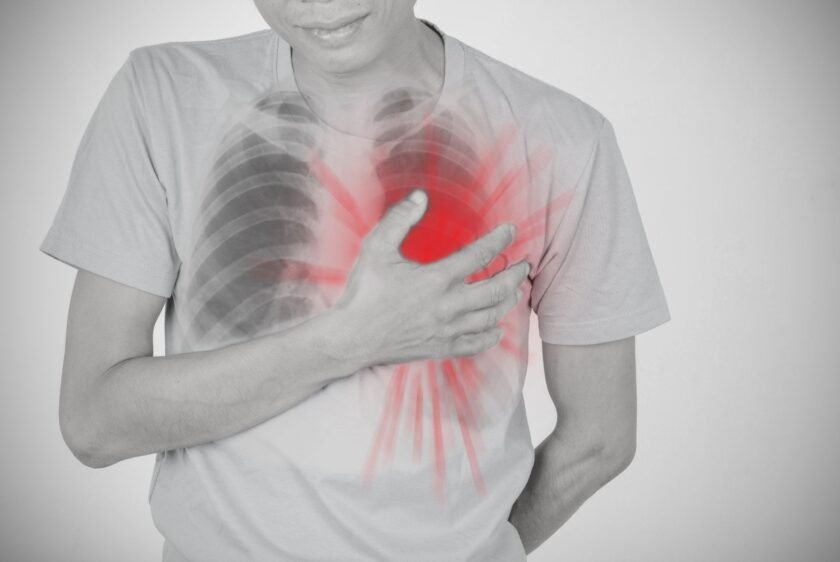
Chest pain can be frightening, especially when it appears suddenly or feels different from anything experienced before. While chest discomfort can sometimes be caused by conditions such as acidity, muscle strain or anxiety, it can also be a warning sign of a serious heart or other medical problem. Knowing when chest pain is an emergency can help you seek medical attention without unnecessary delay.
People searching for a 24×7 emergency hospital in Hyderabad, emergency hospital near Mehdipatnam, or best hospital for chest pain in Hyderabad should understand that severe or unexplained chest pain should never be ignored. When symptoms suggest a potentially serious condition, immediate medical evaluation is important.
Humanity Hospital, Hyderabad provides emergency and multispeciality healthcare services, including access to medical evaluation and diagnostic facilities.
What Does Chest Pain Feel Like?
Chest pain can occur in different ways. Some people describe it as pressure, heaviness, tightness, burning, squeezing or discomfort in the chest. Others may experience a sharp or stabbing sensation.
The location and nature of the pain can vary depending on its cause. Pain may remain in the chest or may spread toward the shoulder, arm, back, neck or jaw.
Because different medical conditions can produce similar symptoms, it is not always possible to determine the cause based on how the pain feels alone. A doctor may need to perform a physical examination and appropriate tests to understand the underlying problem.
This is particularly important when chest pain is new, severe, persistent or accompanied by other concerning symptoms.
When Is Chest Pain an Emergency?
Chest pain should be treated as a potential emergency when it is sudden, severe, unexplained or accompanied by symptoms that may indicate a serious medical condition.
Seek immediate emergency medical care if chest pain is associated with:
- Severe pressure, squeezing or tightness in the chest
- Pain that lasts several minutes or keeps returning
- Pain spreading to the arm, shoulder, back, neck or jaw
- Shortness of breath
- Cold sweating
- Nausea or vomiting
- Dizziness or fainting
- Unusual weakness
- A rapid, irregular or unusual heartbeat
- Difficulty breathing
- Sudden confusion or severe weakness
These symptoms can occur with serious cardiovascular problems, including a heart attack, but similar symptoms can also occur with other emergencies.
If you are experiencing severe or potentially dangerous symptoms, do not wait for them to disappear on their own. Contact emergency medical services or go to the nearest appropriate emergency department.
Chest Pain and Heart Attack: Why Time Matters
One of the most important reasons chest pain requires attention is the possibility of a heart attack. A heart attack occurs when blood flow to part of the heart muscle becomes blocked or severely reduced.
A heart attack does not always present as dramatic chest pain. Some people may experience pressure or discomfort rather than sharp pain. Others may mainly experience shortness of breath, sweating, nausea, weakness or pain in another part of the body.
The symptoms can also vary between individuals.
This is why unexplained chest discomfort should not be dismissed simply because it is mild or because the person does not have a known history of heart disease.
Prompt medical assessment allows healthcare professionals to determine whether the symptoms are related to the heart or another condition.
Chest Pain That Spreads to the Arm, Jaw or Back
Chest discomfort accompanied by pain or pressure that travels to the arm, shoulder, back, neck or jaw can be concerning.
Some people associate heart-related chest pain only with the left arm, but symptoms can vary. Discomfort may occur on either side or may be felt primarily in the back, shoulder, neck or jaw.
If these symptoms occur suddenly or together with breathing difficulty, sweating, nausea or dizziness, emergency medical evaluation is especially important.
People searching for a 24×7 emergency hospital in Hyderabad should choose a facility that can assess urgent symptoms promptly and provide appropriate diagnostic support.
Shortness of Breath Along With Chest Pain
Chest pain accompanied by shortness of breath should not be ignored.
Breathing difficulty can occur with heart-related conditions, lung problems and other medical emergencies. If someone suddenly develops significant difficulty breathing together with chest discomfort, they should receive urgent medical attention.
Do not assume that the symptoms are simply due to anxiety, acidity or tiredness without appropriate medical assessment.
A 24-hour emergency hospital in Hyderabad can provide timely evaluation when symptoms develop outside normal clinic hours.
Chest Pain With Sweating, Nausea or Dizziness
Cold sweating, nausea, vomiting, dizziness or fainting can accompany serious medical problems.
When these symptoms occur together with chest discomfort, it is safer to treat the situation seriously rather than waiting to see whether it improves.
Older adults and people with certain medical risk factors may sometimes experience less typical symptoms. Therefore, the absence of severe chest pain does not necessarily rule out a serious problem.
Can Acidity Cause Chest Pain?
Yes. Acid reflux and other digestive problems can cause burning or discomfort in the chest. This can sometimes feel similar to heart-related discomfort.
However, it can be difficult for a person to reliably distinguish between heart-related chest pain and digestive discomfort based only on symptoms.
If chest pain is new, severe, persistent or associated with symptoms such as sweating, breathlessness, fainting or pain radiating to the arm or jaw, it should not simply be assumed to be acidity.
Medical evaluation is the safest way to determine the cause.
Can Anxiety Cause Chest Pain?
Anxiety and panic attacks can produce chest tightness, rapid heartbeat, sweating, dizziness and difficulty breathing. These symptoms can feel intense and may resemble other medical problems.
However, chest pain should not automatically be attributed to anxiety, particularly when it is a new symptom or occurs with concerning signs.
If there is uncertainty about the cause, seeking medical advice is appropriate. A healthcare professional can assess the symptoms and determine whether further testing is needed.
Chest Pain After Physical Activity
Chest discomfort that appears during physical activity and improves with rest can sometimes be associated with reduced blood flow to the heart.
For example, someone may experience chest pressure while walking quickly, climbing stairs or exercising. Such symptoms should be discussed with a qualified healthcare professional, particularly if they are recurring or becoming more frequent.
If chest pain is severe, occurs suddenly or is accompanied by shortness of breath, sweating, fainting or other emergency symptoms, immediate medical attention is necessary.
Chest Pain in Older Adults
Older adults may have a higher risk of cardiovascular disease, and serious conditions may sometimes present differently than expected.
Symptoms may include:
- Unusual fatigue
- Breathlessness
- Weakness
- Dizziness
- Nausea
- Mild chest discomfort
- Confusion
- Reduced ability to perform normal activities
Because symptoms can vary, unexplained changes in health should be medically assessed rather than ignored.
Chest Pain in People With Diabetes
People with diabetes can have an increased risk of cardiovascular disease. In some cases, heart problems may occur with less obvious chest pain.
Unusual breathlessness, sweating, weakness, nausea or unexplained fatigue can therefore deserve medical attention, particularly when cardiovascular risk factors are present.
People with diabetes should follow their doctor’s recommendations for regular monitoring and cardiovascular risk management.
What Should You Do During Severe Chest Pain?
If someone develops severe or potentially dangerous chest pain:
1. Stop Physical Activity
Stop exercising or other strenuous activity and sit or rest in a safe position.
2. Seek Emergency Medical Help
Contact emergency medical services or arrange immediate transportation to an appropriate emergency department.
3. Do Not Drive Yourself if You Are Seriously Unwell
If symptoms are severe, sudden or accompanied by dizziness, fainting or significant breathing difficulty, it is safer to obtain emergency medical assistance rather than driving yourself.
4. Do Not Ignore Persistent Symptoms
Do not wait several hours hoping that severe or unexplained chest pain will disappear.
5. Follow Medical Advice
If you have previously been prescribed emergency medication for a heart condition, follow the instructions given by your healthcare professional.
Do not take medicines simply because someone else recommends them without understanding whether they are appropriate for you.
What Happens at a 24×7 Emergency Hospital?
When a patient arrives with concerning chest pain, healthcare professionals may first assess vital signs and symptoms. Depending on the situation, doctors may recommend investigations to determine whether the heart or another organ system is involved.
Possible investigations may include an ECG, blood tests and imaging or other diagnostic examinations when clinically appropriate.
The exact tests depend on the patient’s symptoms, medical history and examination.
Access to diagnostic services can be particularly important when chest pain occurs outside regular outpatient hours.
Why Choose a 24×7 Hospital for Chest Pain?
Chest pain does not follow a schedule. Symptoms can begin during the night, on weekends or while travelling.
For residents of Hyderabad, having access to a 24×7 emergency hospital can be valuable when sudden medical symptoms occur.
Patients in and around Mehdipatnam, Rethibowli, Nanalnagar, Toli Chowki, Gudimalkapur, Asif Nagar, Attapur and Rajendranagar may search for an emergency hospital near Mehdipatnam when they need urgent medical care.
Humanity Hospital provides 24×7 emergency services and multispeciality healthcare for patients requiring medical attention. Its diagnostic services include facilities such as ECG, 2D Echo, digital X-ray and ultrasound, while the hospital also provides CT scan services. Patients should contact the hospital directly to confirm the availability of a particular emergency service when required.
How Can Chest Pain Be Prevented?
Not every cause of chest pain can be prevented, but maintaining cardiovascular health can reduce some risk factors.
Important healthy habits include:
- Maintaining a balanced diet
- Staying physically active according to your doctor’s advice
- Avoiding tobacco products
- Maintaining a healthy weight
- Monitoring blood pressure
- Managing blood sugar
- Monitoring cholesterol
- Getting adequate sleep
- Managing stress
- Attending recommended health checkups
People with existing medical conditions should follow their healthcare professional’s treatment and monitoring recommendations.
When Should You See a Cardiologist?
Not every episode of chest pain requires hospitalization, but recurring or unexplained chest discomfort deserves medical attention.
Consider consulting a cardiologist in Hyderabad if you experience recurrent chest discomfort, particularly if it occurs during physical activity or is associated with breathlessness, palpitations, dizziness or reduced exercise tolerance.
A doctor can review your medical history, risk factors and symptoms and determine whether cardiac investigations are appropriate.
People with a history of heart disease, high blood pressure, diabetes, high cholesterol, smoking or other cardiovascular risk factors should be especially attentive to new or changing symptoms.
Frequently Asked Questions About Chest Pain
Is every type of chest pain an emergency?
No. Chest pain can have many causes, including digestive, muscular, respiratory and cardiovascular conditions. However, new, severe, unexplained or persistent chest pain should be medically evaluated, particularly when it occurs with breathing difficulty, sweating, fainting, nausea or pain spreading to other areas.
How long should I wait before seeking help for chest pain?
Do not use a fixed waiting period to decide whether severe or potentially dangerous chest pain is safe to ignore. If the pain is sudden, severe, persistent or accompanied by concerning symptoms, seek emergency medical care immediately.
Can chest pain be caused by gas or acidity?
Yes, digestive conditions such as acid reflux can cause chest discomfort. However, heart-related symptoms can sometimes feel similar. If you are uncertain about the cause, particularly when symptoms are severe or associated with other warning signs, seek medical evaluation.
Should I visit a hospital for chest pain at night?
Yes, if the symptoms are severe, sudden, persistent or associated with emergency warning signs. A 24×7 emergency hospital in Hyderabad can evaluate symptoms even outside normal outpatient hours.
What tests may be done for chest pain?
Depending on the patient’s symptoms and medical history, a doctor may recommend an ECG, blood tests, imaging or other investigations. The appropriate tests vary from person to person.
Conclusion
Chest pain should never be automatically dismissed as gas, acidity, stress or muscle pain. Although many causes of chest discomfort are not life-threatening, some can require urgent treatment. Severe, sudden, persistent or unexplained chest pain—especially when accompanied by shortness of breath, sweating, nausea, dizziness, fainting or pain spreading to the arm, jaw, neck or back—requires immediate medical attention.
For people looking for a 24×7 emergency hospital in Hyderabad, having access to timely medical assessment and diagnostic facilities can be important. Humanity Hospital provides emergency and multispeciality healthcare services for patients in Hyderabad and surrounding areas.


 English