Breathing is something most people do automatically without thinking about it. But when breathing suddenly becomes difficult, uncomfortable, or unusually fast, it can be a sign that the body is not getting enough oxygen or that an underlying medical condition needs urgent attention. Breathing difficulty, also called shortness of breath or dyspnea, can range from mild and temporary discomfort to a potentially life-threatening emergency.
Breathing problems may occur because of asthma, respiratory infections, allergies, pneumonia, heart conditions, chronic lung diseases, or other medical problems. In some cases, breathlessness may appear after intense physical activity and improve with rest. However, sudden or severe difficulty breathing should never be ignored.
Knowing the warning signs can help you decide when to seek immediate medical care. If breathing difficulty is accompanied by chest pain, bluish lips, confusion, fainting, severe weakness, or other serious symptoms, visiting a 24×7 emergency hospital without delay may be necessary.
What Is Breathing Difficulty?
Breathing difficulty refers to a feeling that you cannot breathe normally or are unable to get enough air. Some people describe it as chest tightness, suffocation, or the need to work harder to breathe.
Breathlessness can happen during exercise, especially if someone is not physically active. It can also occur during anxiety or temporary stress. However, unexplained breathlessness, particularly when it occurs at rest or develops suddenly, can indicate an underlying medical condition.
Some common symptoms associated with breathing difficulty include:
- Feeling unable to take a deep breath
- Rapid or shallow breathing
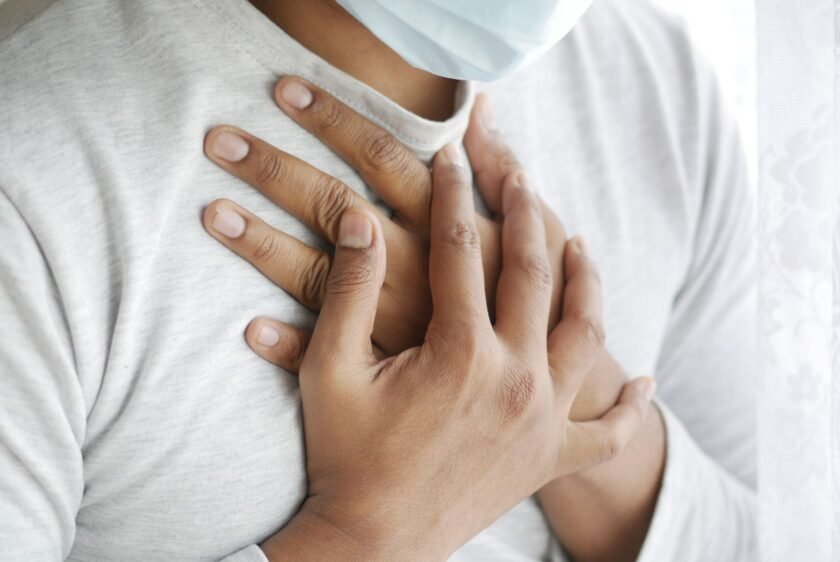
- Tightness or discomfort in the chest
- Wheezing or noisy breathing
- Coughing
- Difficulty speaking because of breathlessness
- Feeling weak or dizzy
- Blue or grey coloration around the lips or fingertips
- Increased heart rate
The severity and combination of symptoms can provide important clues about whether immediate medical evaluation is required.
Common Causes of Breathing Difficulty
Breathing problems can have many causes. Some are temporary and relatively mild, while others require urgent medical treatment.
Asthma
Asthma can cause episodes of wheezing, coughing, chest tightness, and breathlessness. Symptoms may worsen because of allergens, respiratory infections, smoke, pollution, exercise, or changes in weather.
A severe asthma attack can become an emergency if breathing becomes extremely difficult or prescribed medication does not provide relief.
Respiratory Infections
Viral or bacterial infections can affect the respiratory system and make breathing difficult. Conditions such as pneumonia, bronchitis, and severe respiratory infections may cause cough, fever, chest discomfort, fatigue, and shortness of breath.
Breathing difficulty combined with high fever, confusion, severe weakness, or low oxygen levels should receive prompt medical attention.
Heart Problems
Breathlessness is not always caused by a lung condition. Certain heart problems can make it difficult for the heart to pump blood effectively, resulting in shortness of breath.
Breathing difficulty associated with chest pressure, sweating, nausea, dizziness, or pain spreading to the arm, shoulder, back, or jaw may require emergency evaluation.
Allergic Reactions
A serious allergic reaction can cause swelling of the face, lips, tongue, or throat. This may interfere with the airway and cause sudden breathing difficulty.
Severe breathing problems following exposure to a known allergen require immediate emergency medical care.
Chronic Lung Conditions
Conditions such as chronic obstructive pulmonary disease (COPD) can cause ongoing breathlessness, coughing, wheezing, and reduced exercise tolerance. A sudden worsening of symptoms may represent an acute exacerbation that needs medical treatment.
When Is Breathing Difficulty an Emergency?
Not every episode of breathlessness requires an emergency visit. However, certain warning signs should never be ignored.
1. Sudden Severe Shortness of Breath
If breathing becomes difficult suddenly without an obvious explanation, seek urgent medical evaluation. Sudden breathlessness can sometimes be associated with serious heart or lung problems.
Do not wait for the symptoms to become unbearable before seeking help.
2. Difficulty Speaking
If a person is so breathless that they cannot speak complete sentences comfortably, it may indicate significant respiratory distress.
This is particularly concerning if the person is struggling to breathe even while sitting or resting.
3. Bluish or Grey Lips and Fingertips
A blue or grey coloration around the lips, face, or fingertips can indicate inadequate oxygen levels. This is an emergency warning sign.
Immediate medical evaluation is essential, especially when discoloration occurs together with severe breathlessness, confusion, or weakness.
4. Chest Pain or Pressure
Breathing difficulty accompanied by chest pain, pressure, heaviness, or tightness requires urgent attention.
Chest symptoms can have several causes, including heart and lung conditions. It is safer to have serious causes ruled out by medical professionals rather than assuming the symptoms will disappear on their own.
5. Fainting or Severe Dizziness
Severe breathlessness combined with fainting, near-fainting, confusion, or extreme dizziness can indicate that the brain and other organs are not receiving adequate oxygen or blood flow.
These symptoms require immediate medical evaluation.
6. Rapidly Worsening Breathing
If breathing difficulty is becoming progressively worse over minutes or hours, medical care should not be delayed.
Rapid deterioration can occur with severe asthma attacks, serious infections, allergic reactions, and certain heart or lung conditions.
7. Severe Wheezing or Noisy Breathing
Wheezing can occur with asthma and other respiratory conditions. Extremely loud or persistent wheezing, especially when associated with severe breathlessness, may require emergency treatment.
A high-pitched breathing sound caused by narrowing of the upper airway can also be a serious warning sign.
8. Breathing Difficulty After an Injury
Breathlessness after a significant chest injury, accident, or fall should be evaluated promptly. Trauma can sometimes affect the lungs, ribs, or other structures involved in breathing.
Breathing Difficulty at Night: Should You Be Concerned?
Some people experience breathlessness primarily at night or when lying down. This can happen for several reasons, including asthma, respiratory conditions, acid reflux, anxiety, or certain heart-related problems.
If you frequently wake up gasping for air, need to sit upright to breathe comfortably, or experience unexplained nighttime breathlessness, consult a doctor for evaluation.
Repeated nighttime symptoms should not simply be dismissed as tiredness or stress.
Breathing Difficulty During Pregnancy
Pregnancy naturally causes several changes in the body, and mild breathlessness can occur as the pregnancy progresses. However, sudden or severe breathing difficulty during pregnancy should receive medical attention.
Pregnant women should seek urgent care if breathlessness is accompanied by chest pain, fainting, rapid heartbeat, severe headache, swelling, or other concerning symptoms.
A healthcare professional can determine whether symptoms are part of normal pregnancy changes or require further investigation.
Breathing Problems in Children
Breathing difficulty can be particularly concerning in infants and children because their condition can deteriorate quickly.
Parents and caregivers should watch for warning signs such as:
- Rapid breathing
- Chest pulling inward while breathing
- Grunting sounds
- Blue or grey lips
- Difficulty feeding because of breathlessness
- Extreme sleepiness or weakness
- Persistent wheezing
- Difficulty speaking or crying normally because of breathing problems
If a child appears to be struggling to breathe, emergency medical evaluation should be sought immediately.
What Should You Do During a Breathing Emergency?
If someone is experiencing severe breathing difficulty, remain calm and seek professional medical assistance.
Keep the person in a comfortable position, usually sitting upright if that makes breathing easier. Avoid making them walk unnecessarily or exert themselves.
If the person has a doctor-prescribed emergency medication, such as an inhaler for asthma, help them use it according to their existing medical instructions.
Do not give random medicines or home remedies without medical guidance.
If symptoms are severe, rapidly worsening, or associated with chest pain, fainting, blue lips, confusion, or unconsciousness, seek emergency medical care immediately.
Why 24×7 Emergency Care Matters
Breathing emergencies can develop at any time, including during the night, early morning, weekends, or holidays. Access to 24×7 emergency services can be important when symptoms cannot safely wait for a routine appointment.
A hospital emergency department can assess breathing difficulty, check vital signs and oxygen levels, perform appropriate investigations, and determine the underlying cause.
Depending on the condition, evaluation may include a physical examination, oxygen saturation measurement, blood tests, ECG, chest imaging, or other diagnostic tests.
Prompt assessment allows doctors to identify potentially serious conditions and begin appropriate treatment as quickly as possible.
Diagnostic Tests for Breathing Difficulty
Doctors may recommend different tests depending on the patient’s symptoms, medical history, age, and examination findings.
Common evaluations may include:
Oxygen Saturation
A pulse oximeter can provide an estimate of blood oxygen saturation. Low oxygen levels may indicate that urgent treatment is required.
Chest X-Ray
A chest X-ray can help identify conditions affecting the lungs, including certain infections and other abnormalities.
ECG
An electrocardiogram may be recommended when breathlessness could be related to a heart condition, especially when chest discomfort or palpitations are also present.
Blood Tests
Blood tests can help doctors evaluate infection, anemia, inflammation, and other possible causes of breathlessness.
CT Scan
In selected cases, a CT scan may be recommended to obtain more detailed images of the chest and lungs. The decision depends on the patient’s symptoms and clinical assessment.
How Can Breathing Problems Be Prevented?
Not every cause of breathlessness can be prevented, but several healthy habits can support respiratory and cardiovascular health.
Avoid smoking and exposure to second-hand smoke. Try to minimize exposure to dust, chemical fumes, and known allergens. People with asthma or chronic respiratory conditions should follow their prescribed treatment plans and attend regular medical checkups.
Managing conditions such as diabetes, high blood pressure, heart disease, and respiratory disorders can also help reduce the risk of complications.
Regular physical activity, a balanced diet, adequate sleep, and maintaining a healthy weight can contribute to overall health. However, people with existing medical conditions should discuss suitable exercise levels with their healthcare provider.
When Should You Visit a Hospital for Breathlessness?
A useful rule is to take new, unexplained, severe, or worsening breathing difficulty seriously.
Visit an emergency department immediately if breathlessness is associated with:
- Severe chest pain or pressure
- Blue or grey lips
- Fainting or loss of consciousness
- Confusion
- Severe weakness
- Inability to speak normally
- Sudden severe breathlessness
- Rapidly worsening symptoms
- Severe allergic reaction
- Serious injury
- Very severe wheezing or noisy breathing
For persistent or recurring mild breathlessness without emergency warning signs, schedule a medical consultation to identify the underlying cause.


 English