Children are more vulnerable to certain infections and health conditions because their immune systems are still developing. From seasonal fever and cough to stomach infections, allergies, and respiratory problems, childhood illnesses are a common concern for parents. While many minor illnesses improve with appropriate home care, some symptoms require medical evaluation to prevent complications.
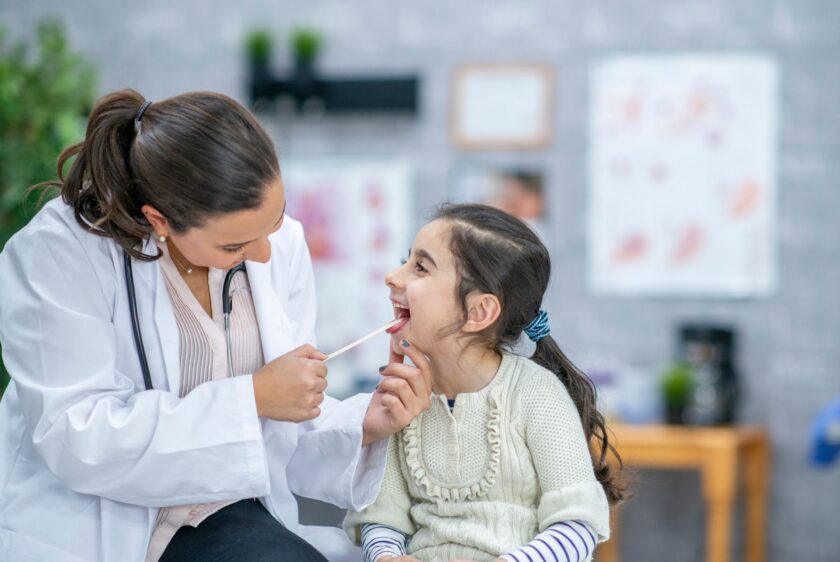
Finding an experienced child specialist in Hyderabad can help parents understand their child’s symptoms, receive an accurate diagnosis, and follow an appropriate treatment plan. A paediatrician, also known as a child specialist, is trained to assess the physical growth, development, nutrition, and medical needs of infants, children, and adolescents.
Parents should understand the common childhood illnesses, recognise warning signs, and know when to consult a doctor. Timely medical attention can help children recover safely and support their overall health and development.
Why Is Regular Paediatric Care Important?
Paediatric care focuses on the health and development of children from infancy through adolescence. Children may experience health problems that require different evaluation and treatment approaches from those used for adults.
A child specialist monitors growth, checks developmental milestones, advises parents about nutrition, and evaluates symptoms when a child becomes unwell. Regular consultations can also help identify certain health concerns at an early stage.
A paediatrician may provide guidance on:
- Routine childhood vaccinations.
- Physical growth and developmental milestones.
- Nutrition and healthy eating habits.
- Fever, cough, cold, and common infections.
- Digestive and respiratory problems.
- Allergies and skin conditions.
- Childhood anaemia and nutritional deficiencies.
- Sleep, behaviour, and general development.
Parents looking for a pediatric hospital in Hyderabad should consider the availability of qualified paediatric care, appropriate diagnostic support, and emergency services when needed.
1. Fever in Children
Fever is one of the most common reasons parents consult a child specialist. It usually indicates that the body is responding to an infection or another inflammatory condition. Viral infections are a frequent cause, but bacterial infections and other medical conditions can also produce fever.
Common symptoms associated with fever include:
- Increased body temperature.
- Tiredness and reduced activity.
- Chills or sweating.
- Headache or body discomfort.
- Reduced appetite.
- Irritability in younger children.
A mild fever may improve as the underlying illness resolves. However, parents should seek medical advice if fever persists, repeatedly returns, or is accompanied by other concerning symptoms.
When does fever need immediate medical attention?
A baby younger than three months with a temperature of 38°C or higher needs prompt medical assessment. Children of any age require urgent evaluation if fever is accompanied by difficulty breathing, unusual drowsiness, seizures, a stiff neck, a non-blanching rash, or signs of severe dehydration.
Parents should avoid giving antibiotics without a doctor’s prescription. The treatment depends on the cause of the fever, the child’s age, and overall condition.
2. Common Cold and Cough
Colds and coughs are frequent childhood illnesses, particularly among children who attend school or daycare. They are commonly caused by respiratory viruses and can spread through respiratory droplets and contaminated hands or surfaces.
Common cold symptoms include:
- Runny or blocked nose.
- Sneezing.
- Mild fever.
- Sore throat.
- Cough.
- Reduced appetite.
- General tiredness.
Most uncomplicated viral colds improve with supportive care. Parents can encourage adequate fluid intake, rest, and age-appropriate comfort measures.
A cough that lasts longer than expected, becomes severe, or is associated with wheezing or breathing difficulty should be evaluated by a doctor. A persistent cough may have several causes, including asthma, allergies, or an infection.
Children with rapid breathing, chest retractions, bluish lips, or severe difficulty breathing need immediate medical attention.
3. Diarrhoea and Stomach Infections
Diarrhoea is another common childhood health concern. It may occur due to viral or bacterial infections, contaminated food or water, or other digestive conditions.
Symptoms can include:
- Frequent loose or watery stools.
- Abdominal cramps.
- Nausea and vomiting.
- Reduced appetite.
- Fever.
- Weakness and tiredness.
The main concern with diarrhoea in children is dehydration. Young children can lose fluids quickly, especially when diarrhoea occurs together with vomiting.
Oral rehydration solution (ORS), prepared and given according to the instructions, can help replace lost fluids and salts. Breastfeeding should generally continue during diarrhoeal illness. Parents should seek medical advice about feeding and fluid replacement, particularly for infants.
Warning signs of dehydration include:
- Dry mouth and tongue.
- Reduced urination or fewer wet nappies.
- Sunken eyes.
- Unusual sleepiness or weakness.
- Excessive thirst.
- Inability to keep fluids down.
Blood in the stool, severe abdominal pain, persistent vomiting, or signs of dehydration require prompt medical evaluation.
4. Vomiting and Digestive Problems
Vomiting can occur due to stomach infections, food-related illness, motion sickness, medication reactions, or other medical conditions. It may be accompanied by nausea, abdominal pain, diarrhoea, or fever.
Occasional vomiting may not indicate a serious problem, but repeated vomiting can lead to dehydration. Parents should offer small, frequent amounts of suitable fluids when the child is able to drink and follow medical advice.
Seek urgent medical care if vomiting is persistent, contains blood or green bile, or is associated with severe abdominal pain, unusual drowsiness, a swollen abdomen, or signs of dehydration.
A child specialist can assess the symptoms and determine whether further tests or treatment are needed.
5. Ear Infections
Ear infections are common in young children and may develop after a cold or respiratory infection. Inflammation or infection in the middle ear can cause discomfort and temporary difficulty hearing.
Possible symptoms include:
- Ear pain or pulling at the ear.
- Fever.
- Irritability.
- Difficulty sleeping.
- Reduced appetite.
- Fluid coming out of the ear.
- Temporary hearing difficulties.
Younger children may not be able to explain their discomfort clearly. Parents may notice crying, disturbed sleep, or unusual behaviour.
A doctor can examine the ear and determine whether an infection is present. Not every ear infection requires antibiotics; treatment depends on the child’s age, symptoms, examination findings, and severity.
Avoid putting oil, ear drops, or other substances into a child’s ear unless advised by a healthcare professional.
6. Childhood Asthma and Breathing Problems
Asthma is a condition that causes inflammation and narrowing of the airways. It can lead to recurring episodes of wheezing, coughing, chest tightness, and difficulty breathing.
Symptoms may become more noticeable during physical activity, at night, or after exposure to triggers such as dust, smoke, pollution, or respiratory infections.
Common warning signs include:
- Repeated episodes of coughing.
- Wheezing or whistling sounds while breathing.
- Breathlessness during activity.
- Night-time cough.
- Chest tightness.
- Difficulty keeping up with physical activities.
A child specialist may evaluate the child’s symptoms and medical history and recommend further assessment or referral when necessary.
Children experiencing severe breathlessness, difficulty speaking or drinking because of breathing problems, chest retractions, or bluish lips require emergency medical care.
7. Skin Allergies, Rashes and Eczema
Children can develop skin conditions due to allergies, irritation, infections, or genetic factors. Eczema is a common inflammatory skin condition that can cause dry, itchy, and irritated patches.
Common skin problems in children include:
- Eczema.
- Heat rash.
- Contact dermatitis.
- Hives.
- Fungal infections.
- Certain viral rashes.
Parents should avoid using strong creams, steroid preparations, or combination medications without medical advice. Gentle skin care and suitable moisturisers may help some children with dry skin, but treatment depends on the underlying condition.
A rash accompanied by fever, severe pain, blistering, swelling of the face, or a child appearing very unwell should be assessed promptly. Sudden hives with breathing difficulty or swelling of the tongue or throat may indicate a severe allergic reaction and requires emergency care.
8. Childhood Anaemia and Nutritional Deficiencies
Anaemia occurs when the body does not have enough healthy red blood cells or haemoglobin to carry oxygen effectively. Iron deficiency is a common cause of anaemia in children.
Possible symptoms include:
- Pale skin.
- Tiredness and weakness.
- Reduced appetite.
- Irritability.
- Difficulty concentrating.
- Reduced physical activity.
Iron deficiency may occur when children do not receive enough iron through their diet or have other medical conditions affecting iron levels.
A doctor may recommend a complete blood count and additional iron-related tests when needed. Treatment may include dietary changes and prescribed iron supplements, depending on the cause and severity.
Parents should not give iron supplements without medical guidance because excessive iron intake can be harmful to children.
9. Urinary Tract Infections in Children
A urinary tract infection (UTI) occurs when bacteria infect part of the urinary system. UTIs can affect children of different ages, and symptoms may vary depending on the child’s age.
Older children may experience:
- Pain or burning while urinating.
- Frequent urination.
- Lower abdominal discomfort.
- Fever.
- Changes in urine appearance or smell.
In infants and younger children, symptoms may be less specific. Fever, vomiting, poor feeding, irritability, or unusual tiredness may be the only noticeable signs.
A doctor may recommend a urine test and, when appropriate, a urine culture to confirm the diagnosis. Prompt treatment is important, particularly when a kidney infection is suspected.
Parents should seek medical evaluation if a child has unexplained fever or symptoms suggestive of a urinary infection.
10. Dengue and Seasonal Viral Infections
Dengue is a mosquito-borne viral infection that can affect both children and adults. It is an important seasonal health concern in many parts of India.
Symptoms may include:
- High fever.
- Headache.
- Pain behind the eyes.
- Muscle and joint pain.
- Nausea or vomiting.
- Skin rash.
- General weakness.
Most children with dengue require careful monitoring and supportive medical care. However, some cases can progress to severe dengue.
Warning signs that need urgent medical attention include:
- Severe abdominal pain.
- Persistent vomiting.
- Bleeding from the nose or gums.
- Blood in vomit or stool.
- Extreme tiredness or restlessness.
- Difficulty breathing.
- Cold or clammy skin.
Do not give aspirin or ibuprofen to a child with suspected dengue unless specifically advised by a qualified doctor, because these medicines may increase bleeding risk. Medical guidance is important when choosing fever medication and monitoring fluid intake.
11. Childhood Obesity and Weight-Related Health Concerns
Childhood obesity is an increasing health concern. It can be associated with dietary habits, limited physical activity, sleep patterns, genetics, and environmental factors.
Excess weight during childhood may increase the risk of future health problems, including high blood pressure, insulin resistance, and type 2 diabetes.
A child specialist can assess growth using age- and sex-appropriate growth charts and body mass index percentiles. Treatment should focus on healthy habits rather than restrictive dieting.
Parents can encourage children to:
- Eat balanced meals.
- Include fruits and vegetables.
- Limit sugary drinks and highly processed snacks.
- Participate in regular physical activity.
- Maintain consistent sleep schedules.
- Reduce excessive recreational screen time.
Family-based lifestyle changes are often more helpful than focusing only on a child’s weight.
12. Why Childhood Vaccination Is Important
Vaccination helps protect children against several infectious diseases that can cause serious illness and complications. Routine immunisation is an important part of preventive paediatric healthcare.
Vaccines are recommended according to the national immunisation schedule and the child’s age and medical circumstances.
Parents should maintain vaccination records and discuss missed or delayed doses with a healthcare professional. If a child has a medical condition or a history of an unusual reaction to a vaccine, the doctor can provide individual guidance.
Vaccination does not prevent every infection, but it significantly reduces the risk of many serious vaccine-preventable diseases.
When Should Parents Visit a Child Specialist in Hyderabad?
Parents should consult a paediatrician when a child has persistent, recurring, or worsening symptoms. Early medical evaluation can help identify the cause and determine whether treatment or further investigation is required.
Consider visiting a child specialist if your child experiences:
- Repeated fever or frequent infections.
- Persistent cough or wheezing.
- Poor appetite or difficulty gaining weight.
- Recurrent vomiting or diarrhoea.
- Unexplained skin rashes.
- Delayed developmental milestones.
- Unusual tiredness or weakness.
- Recurrent abdominal pain.
- Pain during urination.
- Concerns about growth, nutrition, or vaccination.
Some symptoms require immediate emergency attention rather than a routine consultation. These include severe breathing difficulty, seizures, loss of consciousness, signs of severe dehydration, serious injuries, or a child who is difficult to wake.
How to Choose a Child Specialist or Paediatric Hospital in Hyderabad
Choosing appropriate medical care is important for a child’s health and comfort. Parents looking for a child specialist in Hyderabad or a pediatric hospital in Hyderabad can consider the following factors.
Qualified Paediatric Care
Choose a healthcare provider with appropriately qualified doctors who have experience in assessing infants, children, and adolescents. Paediatric care should take into account the child’s age, medical history, growth, and development.
Diagnostic Support
Some childhood illnesses may require laboratory investigations, urine tests, or imaging. Access to suitable diagnostic facilities can support medical evaluation when tests are clinically necessary.
Emergency Care Availability
Children can sometimes develop symptoms that need urgent assessment. Parents should understand where to seek emergency care and confirm the hospital’s current emergency service arrangements.
Vaccination and Preventive Guidance
Preventive healthcare includes vaccination, growth monitoring, nutrition advice, and guidance about developmental milestones. Parents can ask whether these services are available during their child’s consultation.
Clear Communication With Parents
A good healthcare experience involves explaining the diagnosis, treatment plan, medication instructions, and warning signs in language parents can understand. Parents should feel comfortable asking questions about their child’s care.
Paediatric Healthcare at Humanity Hospital, Hyderabad
Humanity Hospital focuses on affordable healthcare and multispeciality medical services in Hyderabad. Parents can contact the hospital to enquire about the availability of paediatric consultations, child health services, diagnostic investigations, and emergency support.
When choosing a hospital for your child, confirm the availability of the required paediatric service, doctor consultation timings, and any necessary appointment arrangements before visiting.
For more information about the hospital and its listed medical services, visit Humanity Hospital, Hyderabad.
Timely medical consultation, appropriate diagnosis, vaccination, and regular growth monitoring can help parents make informed decisions about their children’s health.
Tips for Keeping Children Healthy
In addition to medical consultations, simple daily habits can support a child’s health and development.
Provide balanced nutrition: Offer a variety of foods, including fruits, vegetables, whole grains, protein sources, and age-appropriate dairy or alternatives.
Encourage handwashing: Teach children to wash their hands before eating, after using the toilet, and after playing outside.
Maintain vaccination schedules: Follow the recommended immunisation schedule and keep vaccination records updated.
Promote physical activity: Encourage outdoor play, age-appropriate exercise, and activities that reduce prolonged sitting.
Ensure adequate sleep: A regular sleep routine supports children’s growth, learning, and general well-being.
Avoid self-medication: Do not give antibiotics, adult medicines, or leftover prescriptions without consulting a doctor.
Monitor growth and development: Attend recommended health checkups and discuss any concerns about speech, movement, behaviour, or learning.
Conclusion
Childhood illnesses such as fever, cough, cold, diarrhoea, ear infections, asthma, skin allergies, and seasonal infections are common. Although many conditions are mild, certain symptoms require prompt medical evaluation. Recognising warning signs and consulting a qualified child specialist can help parents arrange appropriate care and avoid unnecessary delays.
If you are searching for a child specialist in Hyderabad or a pediatric hospital in Hyderabad, consider qualified paediatric care, appropriate diagnostic support, emergency arrangements, and clear communication with parents. Regular health checkups, vaccination, balanced nutrition, and healthy daily habits also play an important role in childhood development.
Humanity Hospital aims to support affordable healthcare for individuals and families in Hyderabad. Contact the hospital to confirm current paediatric service availability and consultation details.
Frequently Asked Questions (FAQs)
1. When should I consult a child specialist in Hyderabad?
Consult a child specialist if your child has persistent fever, repeated infections, poor appetite, breathing problems, digestive symptoms, unexplained weight changes, or concerns about growth and development. Seek emergency care for severe symptoms such as difficulty breathing, seizures, or loss of consciousness.
2. What are the most common childhood illnesses?
Common childhood illnesses include viral fever, common cold, cough, diarrhoea, vomiting, ear infections, skin allergies, respiratory infections, and urinary tract infections. Some children may also experience asthma, anaemia, and nutritional deficiencies.
3. When is fever dangerous for a child?
A temperature of 38°C or higher in a baby younger than three months requires prompt medical assessment. At any age, fever with breathing difficulty, seizures, severe drowsiness, stiff neck, a non-blanching rash, or dehydration needs urgent evaluation.
4. How can parents prevent common childhood infections?
Parents can encourage regular handwashing, follow the recommended vaccination schedule, provide balanced nutrition, maintain good hygiene, and avoid close contact with people who have contagious infections when possible.
5. Does Humanity Hospital provide paediatric services in Hyderabad?
Humanity Hospital focuses on affordable healthcare and multispeciality medical services. Parents should contact the hospital directly to confirm current paediatric consultation availability, doctor timings, and related services before visiting.


