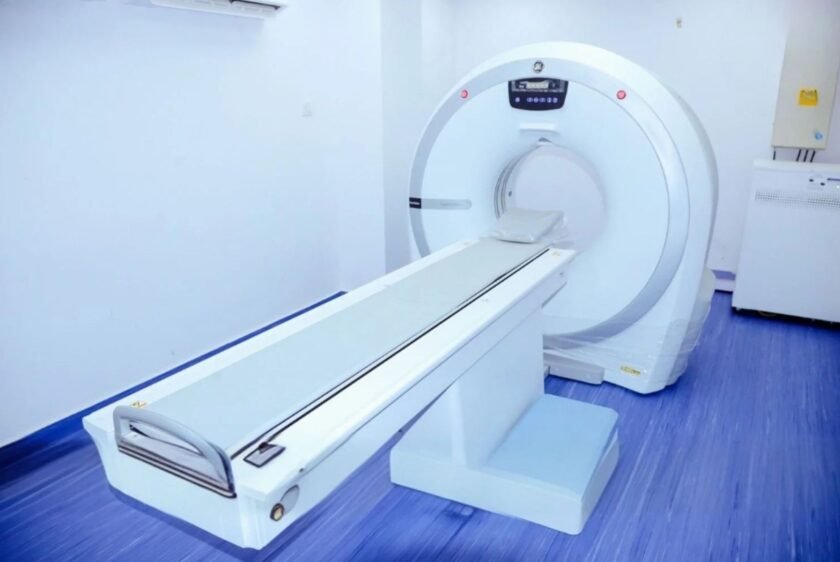
A CT scan is an important diagnostic imaging test that helps doctors examine internal organs, bones, blood vessels, and soft tissues in detail. It is commonly recommended when a physical examination or other tests do not provide enough information to diagnose a medical condition. Whether a patient has experienced an injury, unexplained abdominal pain, a severe headache, or symptoms affecting the chest, a CT scan can help doctors identify the underlying cause and plan appropriate treatment.
If you are searching for CT scan services in Hyderabad, understanding when this test is necessary, how it works, and how to prepare can help you feel more confident before your appointment. Humanity Hospital offers diagnostic services in Hyderabad, including CT scan services listed on its website. Patients should confirm scan availability, appointment requirements, and preparation instructions directly with the hospital.
What Is a CT Scan?
A CT scan, also called computed tomography, uses X-rays and computer processing to create detailed cross-sectional images of the body. Unlike a conventional X-ray, which produces a two-dimensional image, a CT scan provides multiple images that doctors can use to assess internal structures.
Depending on the area being examined, a CT scan may help evaluate the brain, chest, abdomen, pelvis, bones, or blood vessels. Some scans are performed without contrast material, while others use a special contrast agent to make particular structures easier to see.
A doctor recommends a CT scan when the information it provides is likely to help diagnose a condition, assess an injury, or guide treatment.
When Does a Doctor Recommend a CT Scan?
1. Severe Headaches and Head Injuries
Doctors may recommend a CT scan of the head when there is concern about bleeding, a skull fracture, or another serious condition. It may be particularly important after a significant head injury or when symptoms suggest a potentially urgent neurological problem.
A CT scan may also be used to investigate certain sudden or severe headaches, depending on the symptoms and clinical assessment.
Warning signs such as sudden weakness, confusion, seizures, loss of consciousness, or a sudden severe headache require urgent medical evaluation. Not every headache needs a CT scan; the decision depends on the patient’s symptoms, medical history, and examination.
2. Chest Problems and Breathing Difficulties
A CT scan of the chest can provide detailed images of the lungs, airways, blood vessels, and surrounding structures. Doctors may recommend it when investigating certain lung abnormalities, persistent unexplained symptoms, chest injuries, or suspected complications.
Specialised CT examinations, such as CT pulmonary angiography, may be used when a pulmonary embolism—a blood clot in the lungs—is suspected.
A CT scan is not always the first test for chest symptoms. Depending on the clinical situation, a doctor may recommend a chest X-ray, blood tests, or other investigations before deciding whether CT imaging is needed.
3. Persistent Abdominal Pain
Abdominal CT scans can help doctors evaluate organs such as the liver, pancreas, kidneys, intestines, and spleen.
A doctor may recommend this investigation for unexplained or severe abdominal pain, suspected appendicitis, certain bowel problems, kidney-related conditions, or possible internal injuries.
The type of scan depends on the suspected condition. Some examinations require contrast material, while others may be performed without it.
Sudden severe abdominal pain, persistent vomiting, fainting, or abdominal pain accompanied by heavy bleeding requires prompt medical assessment.
4. Accidents, Injuries and Internal Bleeding
Following a major accident or serious injury, doctors may use CT imaging to look for internal bleeding, fractures, and damage to organs.
CT scans can be particularly useful in emergency settings because they provide detailed images relatively quickly. The treating team decides whether a scan is necessary based on the injury, the patient’s stability, and examination findings.
For suspected serious injuries, patients should seek emergency medical care rather than arranging an outpatient scan independently.
5. Kidney Stones and Urinary Tract Problems
A CT scan may be recommended when kidney stones are suspected, particularly if the diagnosis is uncertain or the doctor needs information about the stone’s size and location.
In appropriate cases, a non-contrast CT scan can help identify stones in the urinary tract. However, ultrasound may be preferred in some situations, including many pregnancy-related evaluations, to avoid radiation exposure.
The choice of imaging depends on the patient’s symptoms, age, pregnancy status, and medical history.
6. Detecting and Monitoring Certain Cancers
CT imaging can help doctors investigate suspicious growths, assess the extent of certain cancers, guide treatment planning, and monitor changes during or after treatment.
A CT scan alone does not confirm every cancer diagnosis. Depending on the findings, additional tests such as laboratory investigations, MRI, ultrasound, or a biopsy may be needed.
Doctors select the type and timing of scans based on the suspected condition and whether the expected benefit outweighs the risks.
What Are the Different Types of CT Scans?
CT scans are tailored to the body area and medical question being investigated.
- CT brain scan: Used to evaluate certain head injuries, bleeding, and neurological emergencies.
- CT chest scan: Examines the lungs and other structures inside the chest.
- CT abdomen and pelvis: Helps investigate abdominal pain, injuries, and selected organ conditions.
- CT spine scan: Provides detailed images of spinal bones and certain injuries.
- CT angiography: Uses contrast material to examine blood vessels.
- CT scan for kidney stones: Often performed without contrast to identify urinary tract stones.
Your doctor will determine the most suitable examination based on your symptoms and medical needs.
How Should You Prepare for a CT Scan?
Preparation varies according to the type of CT scan and whether contrast material will be used. Always follow the instructions provided by the imaging centre.
1. Inform the Medical Team About Your Health
Tell your doctor or radiology team if you are pregnant or might be pregnant, have kidney disease, have previously reacted to contrast material, or have other significant medical conditions.
Also mention any medicines you take and any relevant allergies. Do not stop prescribed medicines unless your healthcare professional advises you to do so.
2. Follow Fasting Instructions if Required
Some CT examinations, particularly certain contrast-enhanced scans, may require you to avoid food or drink for a specified period. Other scans do not require fasting.
Do not assume that fasting is necessary for every CT scan. Confirm the exact instructions when booking your appointment, especially if you have diabetes or take medicines that require food.
3. Ask About Contrast Material
Contrast material may be given by mouth or through an intravenous line to help doctors see certain organs and blood vessels more clearly.
Tell the medical team about previous contrast reactions and kidney problems. They may review your medical history and recommend kidney function testing when appropriate.
Contrast material is not required for every CT scan.
4. Wear Comfortable Clothing
Wear comfortable clothing and follow the imaging centre’s instructions about jewellery, metal objects, and accessories. You may be asked to change into a hospital gown.
Arrive early enough to complete any necessary paperwork and discuss your medical history with the radiology team.
5. Follow Instructions During the Scan
During the procedure, you will usually lie on a table that moves through a ring-shaped CT scanner. The technologist may ask you to remain still or hold your breath briefly to obtain clear images.
A CT scan is generally painless. The time required varies according to the examination and whether additional images are needed.
Is a CT Scan Safe?
CT scans are widely used and can provide important diagnostic information. However, they use ionising radiation, so doctors recommend them when the expected medical benefit justifies the exposure.
The risk associated with a single medically indicated scan is generally low, but it is not zero. Children may be more sensitive to radiation than adults, so imaging protocols are adjusted when appropriate.
If you are pregnant or might be pregnant, inform your doctor before the scan. The healthcare team will assess whether CT is necessary or whether another suitable examination can provide the required information.
When contrast material is used, uncommon allergic-like reactions and other risks may occur. Your healthcare team can explain the risks relevant to your medical history.
How Long Does a CT Scan Take?
The actual scanning process often takes only a few minutes, although the complete appointment may take longer because of registration, preparation, contrast administration, and post-scan instructions.
The time required depends on the body area being examined and the complexity of the investigation.
After the scan, a radiologist reviews the images and prepares a report for the referring doctor. The reporting time varies depending on the facility and urgency of the case.
Patients should ask the imaging centre when and how they will receive their results.
CT Scan Services at Humanity Hospital, Hyderabad
Choosing an appropriate diagnostic facility is an important step when your doctor recommends medical imaging. Patients should consider the availability of the required scan, preparation guidance, reporting arrangements, and access to medical professionals who can interpret the results.
Humanity Hospital provides healthcare services in Hyderabad and lists CT scan services among its diagnostic facilities. If you are looking for a CT scan centre in Hyderabad, contact the hospital to confirm the availability of the specific examination, appointment timings, current charges, and any preparation requirements.
The hospital also lists diagnostic services such as digital X-rays, ECG, 2D Echo, ultrasound, and laboratory investigations. Your doctor can advise which investigation is most suitable for your condition.
For more information, visit the official website: https://humanityhospital.in/24×7-ct-scan-services-in-hyderabad/
Frequently Asked Questions
1. Does every patient with pain need a CT scan?
No. Many conditions can be diagnosed through a medical examination, laboratory tests, or other imaging methods. A doctor recommends CT when the additional information is likely to help guide diagnosis or treatment.
2. Is fasting necessary before a CT scan?
Not always. Fasting depends on the specific examination and whether contrast material is required. Follow the instructions provided by your doctor or imaging centre.
3. Can I have a CT scan if I am pregnant?
Inform your doctor if you are pregnant or might be pregnant. CT may still be necessary in certain circumstances, but the healthcare team will assess the benefits, risks, and possible alternatives before proceeding.
4. Is a CT scan painful?
The scanning itself is generally painless. If intravenous contrast is used, you may feel a brief needle prick and sometimes a temporary sensation of warmth.
5. How do I book a CT scan in Hyderabad?
Contact Humanity Hospital through its official website or directly by phone to confirm whether the required scan is available, along with appointment procedures, preparation instructions, and current charges.
6. When should I seek emergency care instead of booking a CT scan?
Seek immediate medical attention for symptoms such as sudden severe headache, major injury, new weakness, loss of consciousness, severe chest pain, or sudden severe abdominal pain. A healthcare professional should determine the appropriate investigations after evaluating the emergency.


