A heart attack is a serious medical emergency that occurs when blood flow to part of the heart muscle becomes severely reduced or blocked. Recognising the warning signs early and seeking immediate medical attention can help reduce heart muscle damage and improve the chances of recovery. Although chest pain is one of the most recognised symptoms, a heart attack can also cause breathlessness, sweating, nausea, unusual fatigue, and discomfort in other parts of the upper body.
Understanding the symptoms of a heart attack is important for people of all ages, particularly those with diabetes, high blood pressure, high cholesterol, or a family history of heart disease. If you or someone nearby develops symptoms that could indicate a heart attack, do not wait for the symptoms to disappear. Seek emergency medical assistance immediately.
For individuals searching for an emergency hospital in Hyderabad, understanding where to seek urgent medical care and how to recognise cardiac warning signs can make a critical difference.
What Is a Heart Attack?
A heart attack, medically known as a myocardial infarction, occurs when blood supply to part of the heart muscle is interrupted. This usually happens when a coronary artery becomes blocked, often because a blood clot forms over a plaque that has built up inside the artery.
The heart muscle needs a continuous supply of oxygen-rich blood to function properly. When blood flow is restricted, the affected heart tissue can become damaged. The longer treatment is delayed, the greater the potential for serious complications.
A heart attack can happen suddenly or begin with mild symptoms that gradually become more noticeable. Some people experience severe chest pain, while others have less obvious symptoms. Recognising these differences is essential for getting timely treatment.
Common Heart Attack Warning Signs You Should Never Ignore
1. Chest Pain or Pressure
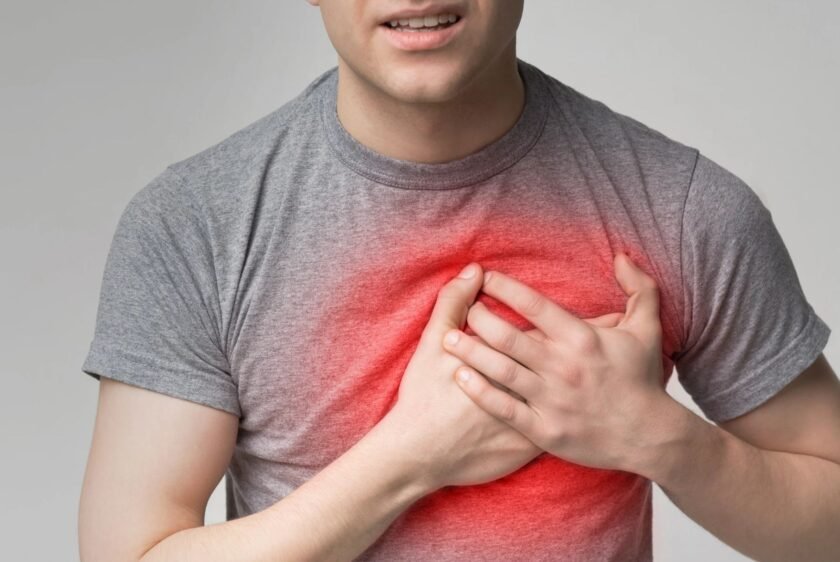
Chest discomfort is one of the most common warning signs of a heart attack. People may describe it as pressure, squeezing, heaviness, tightness, or fullness in the centre or left side of the chest.
The discomfort may last for several minutes or disappear and return. Some people feel as though something heavy is pressing on their chest.
Chest pain does not always feel sharp or severe. Persistent or unexplained chest pressure, especially when accompanied by other symptoms, should be treated as a possible medical emergency.
2. Pain Spreading to the Arm, Shoulder, Jaw or Back
Heart attack pain may spread beyond the chest. It can affect one or both arms, the shoulders, the neck, the jaw, or the back.
Some people experience discomfort mainly in the upper body without recognising chest pain as the cause. If this discomfort occurs alongside sweating, nausea, breathlessness, or chest pressure, seek emergency medical assistance.
3. Shortness of Breath
Sudden or unexplained difficulty breathing can be a warning sign of a heart attack, sometimes even without noticeable chest pain.
A person may feel breathless while resting, walking a short distance, or performing routine activities. They may also feel unable to take a satisfying breath.
Breathlessness can have many causes, but when it develops suddenly or occurs with chest discomfort, dizziness, or sweating, it requires urgent medical assessment.
4. Cold Sweating
Unexpected cold sweating, particularly when accompanied by chest pressure or weakness, can be associated with a heart attack.
The person may develop clammy skin, feel unusually anxious, or become pale. These symptoms should not automatically be attributed to heat, stress, or physical exertion.
If cold sweating occurs with other possible heart attack symptoms, seek emergency medical care without delay.
5. Nausea, Vomiting or Indigestion-Like Discomfort
Some people experience nausea, vomiting, stomach discomfort, or a sensation resembling indigestion during a heart attack.
These symptoms may be mistaken for acidity, gas, or a digestive problem. However, new or unusual digestive discomfort accompanied by chest pressure, breathlessness, sweating, or pain in the upper body can indicate a serious cardiac problem.
Do not assume that symptoms are harmless simply because they feel like indigestion.
6. Dizziness, Lightheadedness or Fainting
A heart attack can affect the heart’s ability to maintain adequate blood circulation. Some people experience dizziness, sudden weakness, lightheadedness, or fainting.
These symptoms can also occur because of other medical conditions, but sudden fainting or dizziness accompanied by chest discomfort or breathing difficulty requires immediate evaluation.
7. Unusual Fatigue and Weakness
Unexplained tiredness or weakness may occur before or during a heart attack. Some people, particularly women and older adults, may experience unusual fatigue alongside other less typical symptoms.
Fatigue alone does not necessarily indicate a heart attack. However, sudden or unusual weakness combined with breathlessness, nausea, chest discomfort, or cold sweating should never be ignored.
Do Heart Attack Symptoms Differ Between Men and Women?
Heart attack symptoms can vary considerably from person to person. Chest discomfort remains a common symptom in both men and women, but women may also experience breathlessness, nausea, back or jaw discomfort, and unusual fatigue.
These symptoms are not exclusive to women, and men can experience them as well. Neither sex should assume that a heart attack is unlikely because the symptoms do not match the commonly described pattern.
People with diabetes and older adults may also have less obvious symptoms. Anyone experiencing concerning or unexplained symptoms should seek prompt medical evaluation.
What Should You Do If Someone Has a Heart Attack?
Taking the right steps quickly can help protect the heart muscle and save a life.
- Call emergency services immediately. In India, dial 112 for emergency assistance. Do not wait to see whether the symptoms disappear.
- Stop physical activity. Help the person sit in a comfortable position and remain as calm as possible.
- Do not let the person drive themselves. Emergency medical transport is preferable because the person’s condition may deteriorate during the journey.
- Follow emergency medical instructions. Do not give medicines unless advised by an appropriate medical professional or emergency dispatcher. Aspirin may be recommended in some suspected heart attacks, but it is not suitable for everyone.
- Be prepared to provide CPR if necessary. If the person becomes unresponsive and is not breathing normally, call emergency services, begin CPR according to dispatcher instructions, and use an automated external defibrillator if available.
Never delay emergency assistance while trying home remedies, antacids, or other unproven treatments.
How Do Doctors Diagnose a Heart Attack?
Doctors assess symptoms, medical history, physical findings, and diagnostic test results to determine whether a heart attack has occurred.
Common investigations may include:
- Electrocardiogram (ECG): Records the heart’s electrical activity and can reveal changes associated with a heart attack.
- Blood tests: Cardiac troponin tests help identify damage to the heart muscle.
- Echocardiography: An ultrasound examination that can assess heart structure and function when indicated.
- Coronary angiography: May be used to identify narrowed or blocked coronary arteries and guide treatment.
The tests required depend on the patient’s condition. Emergency evaluation should not be delayed while waiting to arrange an outpatient appointment.
Who Is at Higher Risk of a Heart Attack?
Several factors can increase the risk of developing coronary artery disease and experiencing a heart attack.
These include high blood pressure, high cholesterol, diabetes, smoking, physical inactivity, excess body weight, and a family history of premature heart disease. Risk also increases with age, although heart attacks can occur in younger adults.
Managing chronic conditions, avoiding tobacco, maintaining a balanced diet, staying physically active as medically appropriate, and attending recommended health checkups can help reduce cardiovascular risk.
People with existing heart disease should follow their doctor’s advice about medicines, monitoring, and follow-up care.
Can Heart Attacks Be Prevented?
Not every heart attack can be prevented, but many risk factors can be managed. Regular medical checkups can help identify high blood pressure, diabetes, and high cholesterol before they lead to complications.
Doctors may recommend blood tests, lifestyle changes, or medication based on an individual’s risk profile. People should not start or stop prescribed medicines without medical advice.
A healthy lifestyle, combined with appropriate medical care, can support long-term heart health. However, even people who appear healthy should take sudden or unexplained cardiac symptoms seriously.
Emergency Heart Care at Humanity Hospital, Hyderabad
Recognising the symptoms of a heart attack is only the first step. Access to prompt medical evaluation is essential when a cardiac emergency is suspected.
Humanity Hospital provides healthcare services in Hyderabad and lists 24/7 emergency care among its services. Patients and families should contact the hospital to confirm the availability of the specific cardiac emergency services required. In a suspected heart attack, do not delay emergency assistance while searching for a preferred hospital.
Humanity Hospital also lists diagnostic facilities such as ECG and 2D Echo, which may support cardiac evaluation when clinically appropriate. The availability of cardiac specialists, emergency cardiac procedures, and other advanced treatments should be confirmed directly with the hospital.
If you are looking for an emergency hospital in Hyderabad, an ECG test in Hyderabad, or medical evaluation for heart-related symptoms, knowing the available services can help you plan routine care. For possible heart attack symptoms, however, immediate emergency assessment is the priority.
Visit the official website: https://humanityhospital.in/
Frequently Asked Questions
1. What is the first warning sign of a heart attack?
Chest pressure, tightness, or discomfort is a common warning sign. However, some people experience breathlessness, nausea, cold sweating, unusual fatigue, or upper-body pain without typical chest pain. Any suspected heart attack requires immediate medical attention.
2. Can a heart attack occur without chest pain?
Yes. Some people experience breathlessness, nausea, back or jaw discomfort, dizziness, or unusual fatigue without obvious chest pain. These symptoms can have other causes, but sudden or unexplained symptoms may require urgent assessment.
3. How long can heart attack symptoms last?
Symptoms may persist for several minutes, disappear and return, or develop gradually. There is no safe duration for waiting at home. Call emergency services immediately if a heart attack is suspected.
4. Which test helps detect a heart attack?
An ECG and blood tests measuring cardiac troponin are commonly used. Doctors may recommend additional investigations depending on symptoms and clinical findings.
5. When should I visit an emergency hospital in Hyderabad?
Seek immediate emergency care for suspected heart attack symptoms, including chest pressure, sudden breathlessness, cold sweating, or upper-body discomfort accompanied by other warning signs. Call 112 in India rather than driving yourself.
6. Can regular health checkups reduce heart attack risk?
Regular checkups can help identify and manage risk factors such as high blood pressure, diabetes, and high cholesterol. Although they cannot eliminate every risk, preventive care and appropriate treatment can reduce the likelihood of cardiovascular complications.


