Access to quality healthcare is essential for maintaining good health and preventing serious medical complications. However, many people delay visiting a doctor because they are concerned about treatment expenses, busy schedules, or the belief that their symptoms will disappear on their own. Delaying medical attention can allow minor health problems to become more complicated and may increase the need for extensive treatment.
Choosing an affordable hospital in Hyderabad and seeking medical advice at the right time can help patients understand their health conditions, receive appropriate treatment, and avoid unnecessary delays. Early diagnosis plays an important role in identifying diseases before they progress. Whether it is diabetes, high blood pressure, heart disease, kidney problems, infections, or other medical conditions, timely evaluation can make a meaningful difference to treatment planning and long-term health.
Humanity Hospital focuses on affordable healthcare and multispeciality medical services in Hyderabad. Understanding the importance of preventive checkups, diagnostic tests, and timely medical consultation can help individuals and families make informed healthcare decisions.
What Is Early Diagnosis in Healthcare?
Early diagnosis means identifying a disease or medical condition at an early stage, often before it becomes severe or causes major complications. It involves recognising symptoms, consulting a qualified doctor, undergoing recommended medical examinations, and completing appropriate diagnostic tests.
Some medical conditions develop gradually and may not cause noticeable symptoms initially. High blood pressure, diabetes, thyroid disorders, and certain kidney conditions can remain undetected for a long time. Regular health checkups and risk-based screening can help identify these problems earlier.
Early diagnosis does not always mean that a disease can be completely prevented or cured. However, it can help doctors begin suitable treatment sooner, monitor the patient’s condition, and reduce the risk of avoidable complications.
Why Is Early Diagnosis Important for Affordable Medical Treatment in Hyderabad?
Early medical attention can support better healthcare planning. When a health condition is identified before it becomes advanced, doctors may have more treatment options available. Patients may also avoid delays that could lead to additional investigations, hospital admissions, or complex medical procedures.
1. Helps Prevent Medical Complications
Many health conditions can become more difficult to manage when diagnosis and treatment are delayed. For example, uncontrolled diabetes may affect the eyes, kidneys, nerves, and cardiovascular system. Similarly, untreated high blood pressure can increase the risk of heart disease, stroke, and kidney damage.
Early diagnosis allows doctors to assess the condition and recommend suitable treatment, lifestyle changes, and follow-up care. Regular monitoring can help patients manage their health more effectively.
2. Can Reduce the Need for More Extensive Treatment
A condition identified at an early stage may sometimes be managed with medication, lifestyle changes, or less complex interventions. If treatment is postponed, the condition may progress and require additional medical attention.
For example, identifying an infection early can help doctors recommend appropriate treatment before complications develop. Similarly, early evaluation of persistent abdominal pain may help identify its cause before it becomes an emergency.
The treatment required depends on the diagnosis, severity, and individual health circumstances. Early consultation can help patients and doctors make timely decisions.
3. Supports Better Treatment Planning
Every patient has different healthcare needs. Doctors consider medical history, symptoms, examination findings, age, existing conditions, and diagnostic reports before recommending treatment.
Early diagnosis provides an opportunity to understand the condition and discuss suitable treatment options. It also helps patients plan follow-up visits, medication schedules, additional investigations, and other aspects of care.
4. Encourages Preventive Healthcare
Preventive healthcare involves taking steps to identify health risks before serious symptoms develop. Routine health checkups, blood pressure monitoring, blood sugar testing, and other recommended screenings can help identify potential problems.
People with a family history of diabetes, heart disease, or other long-term conditions may benefit from discussing an appropriate screening schedule with their doctor.
Common Medical Conditions That Need Early Diagnosis
Several health conditions can remain unnoticed during their early stages. Knowing the warning signs and understanding the importance of medical checkups can help patients seek timely care.
Diabetes and High Blood Sugar
Diabetes is a long-term condition in which blood glucose levels remain higher than normal. Some people experience increased thirst, frequent urination, tiredness, blurred vision, or unexplained weight changes. Others may not notice any symptoms initially.
A doctor may recommend fasting blood glucose, post-meal blood glucose, or an HbA1c test depending on the patient’s circumstances. Early identification helps patients understand their blood sugar levels and receive appropriate guidance on treatment, nutrition, physical activity, and monitoring.
People at higher risk of diabetes should discuss screening with a healthcare professional.
High Blood Pressure
High blood pressure often does not cause noticeable symptoms. Many individuals discover that they have hypertension during a routine medical examination.
Regular blood pressure monitoring is important, particularly for people with diabetes, obesity, kidney disease, or a family history of hypertension. If blood pressure remains high, a doctor can assess the patient’s overall health and recommend suitable management.
Heart Disease
Heart-related conditions may sometimes develop without obvious early symptoms. Warning signs can include chest discomfort, breathlessness, unusual fatigue, dizziness, or discomfort spreading to the arms, back, neck, or jaw.
A doctor may recommend tests such as an ECG or 2D echocardiogram based on the patient’s symptoms and medical history. Sudden chest pain, severe breathlessness, fainting, or other possible heart attack symptoms require immediate emergency medical attention.
Kidney Disease
Kidney problems may develop gradually, and early stages may not produce clear symptoms. People with diabetes, hypertension, or a history of kidney disease may need regular monitoring.
Depending on the patient’s condition, doctors may recommend blood tests such as serum creatinine and estimated glomerular filtration rate (eGFR), along with urine tests to check for albumin or other abnormalities.
Early evaluation can help identify kidney problems and support appropriate medical management.
Thyroid Disorders
Thyroid conditions can affect metabolism, energy levels, body weight, mood, and several other bodily functions. Symptoms may include unexplained weight changes, tiredness, hair loss, changes in heart rate, or irregular menstrual cycles.
A doctor may recommend thyroid function tests, including TSH and other thyroid hormone measurements, depending on the symptoms. Early assessment helps determine whether treatment or continued monitoring is needed.
Infections and Seasonal Illnesses
Fever, cough, sore throat, vomiting, diarrhoea, and body pain can occur due to several infections. While many mild infections improve with appropriate care, some may require medical evaluation.
Persistent fever, dehydration, breathing difficulty, severe weakness, confusion, or worsening symptoms should not be ignored. A doctor can assess the cause and recommend suitable investigations or treatment.
Role of Diagnostic Tests in Early Disease Detection
Diagnostic tests help doctors gather information about a patient’s health and investigate possible medical conditions. The tests recommended depend on symptoms, age, medical history, and clinical examination. Not every patient needs every test.
Blood Tests and Laboratory Investigations
Blood tests are commonly used to evaluate different aspects of health. Depending on the clinical requirement, doctors may recommend:
- Complete Blood Count (CBC) to assess blood cells.
- Blood glucose tests to evaluate sugar levels.
- HbA1c to assess average blood glucose over approximately three months.
- Lipid profile to measure cholesterol and triglycerides.
- Liver function tests to assess liver-related markers.
- Kidney function tests to evaluate kidney health.
- Thyroid function tests to assess thyroid activity.
A qualified healthcare professional should interpret test results in the context of the patient’s symptoms and medical history.
ECG and 2D Echocardiography
An electrocardiogram (ECG) records the electrical activity of the heart. It may help identify certain rhythm abnormalities and other signs that require further evaluation.
A 2D echocardiogram uses ultrasound to create images of the heart. It helps doctors assess heart structure, pumping function, and valve movement.
These tests serve different purposes and may be recommended individually or together depending on the patient’s condition.
Digital X-Ray and Ultrasound
Digital X-rays help doctors examine bones, joints, and certain chest or abdominal conditions. Ultrasound uses sound waves to produce images of internal organs and other structures.
Doctors recommend these imaging tests when they are clinically appropriate. They can support the investigation of injuries, abdominal symptoms, pregnancy-related concerns, and several other medical conditions.
CT Scan Services
A CT scan produces detailed cross-sectional images of the body. Doctors may recommend CT imaging to investigate injuries, certain infections, internal bleeding, chest conditions, or neurological symptoms.
The type of CT scan depends on the medical concern. Patients should follow the instructions provided by their healthcare team, particularly when contrast material is required.
For more information, visit the 24×7 CT Scan Services in Hyderabad page.
How to Choose an Affordable Hospital in Hyderabad
Finding an affordable hospital does not mean choosing healthcare based only on the lowest cost. Patients should consider the quality of medical evaluation, availability of appropriate diagnostic services, transparency in treatment planning, and access to follow-up care.
Here are some important factors to consider when choosing a hospital in Hyderabad.
Availability of Multispeciality Medical Services
A multispeciality hospital can help patients access different medical departments according to their healthcare needs. Depending on the hospital’s available services, patients may receive consultations for general medicine, cardiology, orthopaedics, gynaecology, paediatrics, and other specialities.
Access to relevant departments can support coordinated care when a patient needs evaluation by more than one specialist.
Diagnostic Facilities
Diagnostic services play an important role in identifying and monitoring medical conditions. Before choosing a hospital or diagnostic centre, patients can enquire about the availability of relevant laboratory investigations and imaging facilities.
They should also ask whether the recommended tests are appropriate for their symptoms and whether any preparation is required.
Transparent Treatment Information
Patients should be able to understand the proposed treatment, expected investigations, possible alternatives, and associated expenses. Asking questions before proceeding with non-emergency tests or procedures can help families plan their healthcare expenditure.
An affordable healthcare provider should communicate treatment information clearly and avoid recommending unnecessary investigations.
Emergency Medical Support
Medical emergencies can occur unexpectedly. Access to emergency assessment is important for conditions such as severe chest pain, stroke symptoms, serious injuries, breathing difficulty, and uncontrolled bleeding.
If a person experiences symptoms that may indicate a life-threatening emergency, they should seek immediate medical attention rather than waiting for a routine appointment.
Convenient Follow-Up Care
Long-term conditions such as diabetes, hypertension, thyroid disorders, and kidney disease may require regular monitoring. Choosing a hospital that supports follow-up consultations and ongoing medical evaluation can help patients maintain continuity of care.
Why Regular Health Checkups Matter
Many people visit a hospital only when they become unwell. However, regular health checkups can help identify potential health risks before symptoms become noticeable.
The frequency and type of checkup should be based on individual health needs. A young adult without known medical problems may need a different screening plan from an older adult with diabetes or hypertension.
During a routine checkup, a doctor may review:
- Blood pressure and pulse rate.
- Body weight and relevant lifestyle factors.
- Blood glucose levels when indicated.
- Cholesterol levels based on risk.
- Medical and family history.
- Current medication and previous health conditions.
- Other investigations based on symptoms and age.
Patients should avoid ordering large packages of tests without medical guidance. A doctor can help select investigations that are relevant to their health.
When Should You Visit a Hospital Instead of Waiting at Home?
Some symptoms may appear minor initially but can indicate a medical condition that needs evaluation. Consult a doctor if you experience persistent fever, unexplained weight loss, recurring abdominal pain, unusual fatigue, frequent dizziness, or ongoing changes in appetite or bowel habits.
Certain symptoms require emergency care. These include:
- Sudden or severe chest pain or pressure.
- Difficulty breathing or severe shortness of breath.
- Sudden weakness or numbness, particularly on one side of the body.
- Difficulty speaking or sudden loss of vision.
- Severe bleeding or major injuries.
- Sudden confusion, seizures, or loss of consciousness.
Do not delay emergency care while searching for an appointment or waiting for symptoms to improve.
Affordable Healthcare at Humanity Hospital, Hyderabad
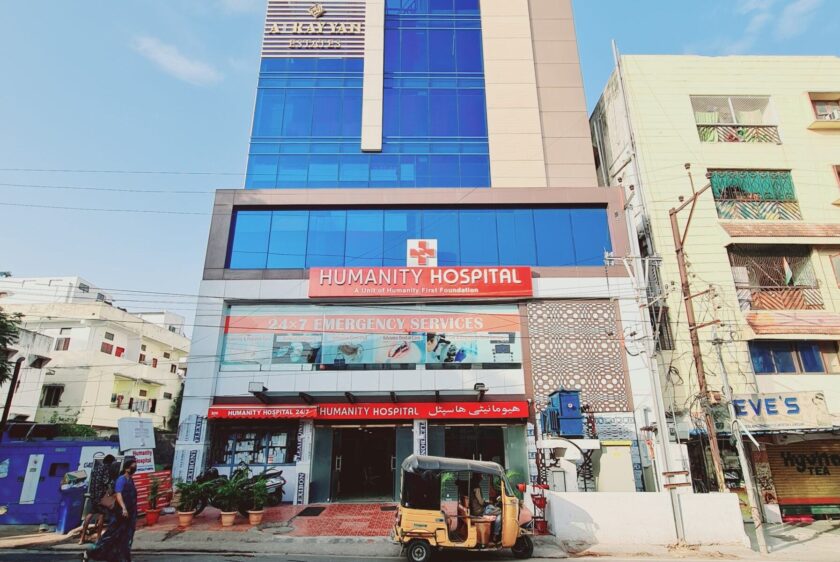
Choosing the right healthcare provider is an important step towards timely diagnosis and appropriate treatment. Humanity Hospital in Hyderabad focuses on affordable healthcare and multispeciality medical services for individuals and families.
The hospital’s listed services include emergency care, laboratory investigations, digital X-rays, ECG, 2D Echo, ultrasound, and other medical services. Patients can enquire about the availability of a particular speciality, investigation, or treatment before visiting.
Whether you need a general medical consultation, a recommended diagnostic test, or guidance about a health concern, timely medical evaluation can help you understand the next steps.
To learn more about the hospital and its services, visit Humanity Hospital.
Tips to Maintain Good Health and Reduce Medical Risks
Along with timely medical consultations, healthy daily habits can support overall well-being. Although lifestyle changes cannot replace medical treatment, they can help reduce certain health risks.
Eat a balanced diet: Include vegetables, fruits, whole grains, protein-rich foods, and adequate fluids. Limit excessive salt, added sugar, and highly processed foods.
Stay physically active: Regular walking or other suitable physical activity can support cardiovascular health, weight management, and blood sugar control. Choose activities appropriate for your health and fitness level.
Avoid tobacco: Smoking and tobacco use increase the risk of several serious health conditions. Seek professional support if you want to quit.
Get adequate sleep: Maintaining a consistent sleep routine supports physical and mental well-being.
Monitor existing conditions: If you have diabetes, hypertension, thyroid disease, or another long-term condition, follow your doctor’s advice regarding medication, tests, and follow-up appointments.
Do not ignore persistent symptoms: Seek medical advice when symptoms continue, worsen, or interfere with daily activities.
Conclusion
Early diagnosis is an important part of affordable medical treatment in Hyderabad. Identifying health conditions at the right time can help patients receive appropriate care, understand available treatment options, and reduce the risk of complications associated with delayed medical attention.
Regular health checkups, timely laboratory investigations, recommended imaging tests, and consultations with qualified doctors all contribute to better healthcare decisions. Choosing an affordable multispeciality hospital in Hyderabad should involve considering medical services, diagnostic facilities, transparent treatment information, and continuity of care.
Humanity Hospital aims to support affordable healthcare for individuals and families in Hyderabad. If you have persistent symptoms or concerns about your health, consult a qualified medical professional rather than delaying evaluation.
Frequently Asked Questions (FAQs)
1. Why is early diagnosis important for affordable medical treatment?
Early diagnosis helps identify health conditions before they become more complicated. It allows doctors to plan suitable treatment, recommend relevant investigations, and monitor the patient’s condition. In some cases, timely treatment may reduce the need for more extensive medical interventions.
2. Which hospital should I choose for affordable medical treatment in Hyderabad?
Look for a hospital with qualified medical professionals, relevant diagnostic facilities, transparent treatment information, and suitable follow-up services. You should also confirm whether the required speciality or investigation is available before visiting.
3. Which tests are commonly recommended during a health checkup?
Depending on age, symptoms, and medical history, doctors may recommend a complete blood count, blood glucose, HbA1c, lipid profile, liver function, kidney function, thyroid function, or other investigations. The right tests vary from person to person.
4. Can regular health checkups detect diabetes and high blood pressure?
Yes. Blood glucose testing can help identify diabetes, while blood pressure measurement can detect hypertension. Since both conditions may develop without obvious symptoms, screening can be useful for people with relevant risk factors.
5. Does Humanity Hospital provide affordable healthcare in Hyderabad?
Humanity Hospital focuses on affordable healthcare and lists various medical and diagnostic services. Patients should contact the hospital directly to confirm current service availability, consultation details, and treatment-related information.


