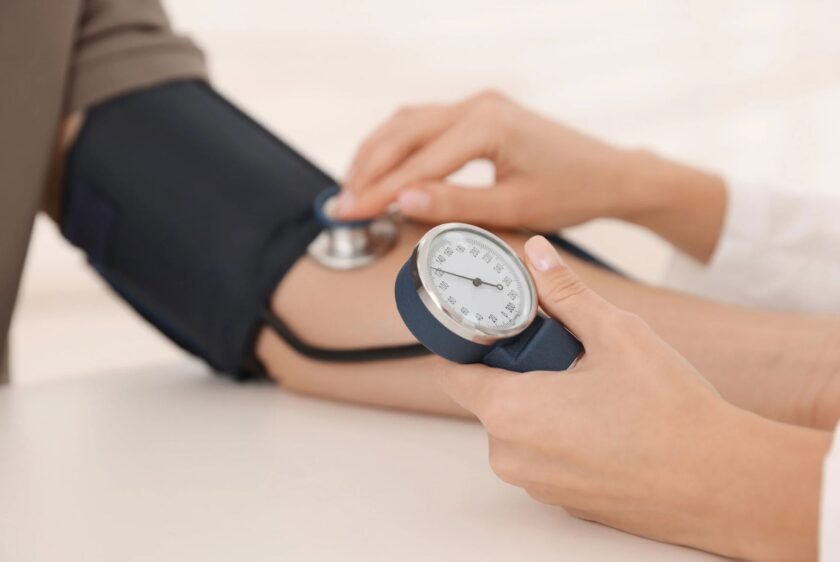
Diabetes and high blood pressure are two common health conditions that can affect people of different ages. Both conditions may develop gradually, and many people do not notice clear symptoms in the early stages. Without appropriate management, diabetes and hypertension can increase the risk of heart disease, kidney problems, stroke, and other serious complications.
Regular monitoring is an important part of managing these conditions. Checking blood sugar levels and blood pressure helps patients and healthcare professionals understand whether treatment is working, identify changes early, and make informed decisions about lifestyle and medication. Along with routine medical consultations, regular monitoring can help people maintain better long-term health.
For individuals looking for a general physician in Hyderabad, diabetes care in Hyderabad, or an affordable hospital in Hyderabad, understanding the importance of preventive healthcare is a useful first step. Humanity Hospital provides healthcare services in Hyderabad. Visit https://humanityhospital.in/ to learn more about the hospital and confirm the availability of relevant medical services.
What Is Diabetes?
Diabetes is a chronic condition in which blood glucose, commonly called blood sugar, remains higher than normal. Glucose provides energy to the body’s cells, and insulin, a hormone produced by the pancreas, helps glucose enter cells.
In diabetes, the body either does not produce enough insulin or cannot use insulin effectively. As a result, glucose builds up in the bloodstream.
The main types of diabetes include:
- Type 1 diabetes: An autoimmune condition in which the body produces little or no insulin. People with type 1 diabetes require insulin treatment.
- Type 2 diabetes: A condition in which the body does not use insulin effectively and may not produce enough to maintain normal glucose levels.
- Gestational diabetes: Diabetes diagnosed during pregnancy that requires appropriate monitoring and treatment to protect the mother and baby.
Common symptoms can include increased thirst, frequent urination, tiredness, blurred vision, and unexplained weight loss. However, type 2 diabetes may cause few noticeable symptoms, which is why testing is important for people with relevant risk factors.
What Is High Blood Pressure?
High blood pressure, also called hypertension, occurs when the force of blood against the walls of the arteries remains consistently elevated.
Blood pressure is recorded using two numbers. The systolic number measures pressure when the heart contracts, while the diastolic number measures pressure between heartbeats.
For many adults, readings around 120/80 mmHg are considered optimal, but blood pressure categories and treatment targets depend on clinical guidelines and individual circumstances. A single elevated reading does not necessarily confirm hypertension. Repeated measurements and professional assessment are often needed.
High blood pressure frequently causes no obvious symptoms. Some people may feel completely well despite having elevated readings. Over time, uncontrolled hypertension can damage blood vessels and increase the risk of heart attack, stroke, kidney disease, and other complications.
Why Are Diabetes and High Blood Pressure Often Linked?
Diabetes and hypertension frequently occur together because they share several risk factors and can affect similar organs.
Insulin resistance, excess body weight, physical inactivity, certain dietary patterns, family history, and increasing age can contribute to the development of both conditions.
Diabetes can damage blood vessels and affect kidney function. The kidneys help regulate fluid balance and blood pressure, so kidney damage can make blood pressure more difficult to control. At the same time, high blood pressure can further damage the kidneys and blood vessels.
When both conditions are present, the risk of cardiovascular disease and other complications can be higher. Managing blood glucose and blood pressure together is therefore an important part of preventive healthcare.
Why Is Regular Blood Sugar Monitoring Important?
Blood sugar monitoring helps people with diabetes understand how their glucose levels respond to food, physical activity, illness, stress, and medication.
1. Helps Identify High and Low Blood Sugar
Monitoring can reveal whether glucose levels are frequently above or below the recommended range. High blood sugar over time can contribute to complications, while dangerously low blood sugar can cause sweating, shaking, confusion, seizures, or loss of consciousness.
People taking insulin or certain glucose-lowering medicines may need more frequent monitoring because these treatments can cause hypoglycaemia.
2. Shows Whether Treatment Is Working
Regular readings help healthcare professionals assess whether the current treatment plan is effective. If glucose levels remain outside the target range, the clinician may review medication, eating patterns, activity levels, or other health concerns.
Never change or stop prescribed diabetes medication without medical advice.
3. Helps Patients Understand Daily Patterns
Checking glucose at recommended times can show how meals, exercise, sleep, and medication affect blood sugar. This information can help patients make informed decisions with their healthcare team.
Some people use a blood glucose meter, while others may benefit from a continuous glucose monitoring system. The most suitable method depends on the type of diabetes, treatment, individual needs, and clinical advice.
4. Supports Long-Term Complication Prevention
Persistently high glucose can damage blood vessels and nerves. It can contribute to diabetic eye disease, kidney disease, nerve damage, and cardiovascular problems.
Monitoring, combined with appropriate treatment and regular health assessments, helps identify poor control and supports efforts to reduce long-term risks.
Why Is Regular Blood Pressure Monitoring Important?
Blood pressure monitoring helps identify hypertension, assess treatment effectiveness, and detect changes that may require medical attention.
1. Detects Hypertension Early
Because high blood pressure often has no symptoms, measuring it is one of the most reliable ways to identify the condition.
Regular checks are particularly important for people with diabetes, kidney disease, a family history of hypertension, or other cardiovascular risk factors.
2. Helps Assess Medication Effectiveness
For people receiving treatment for hypertension, regular readings help determine whether blood pressure is reaching the target recommended by their clinician.
If readings remain elevated or become unusually low, the healthcare professional can assess the situation and decide whether any changes are needed.
3. Reduces the Risk of Heart Disease and Stroke
Persistently high blood pressure places additional strain on the heart and blood vessels. Over time, it can increase the risk of heart attack, stroke, heart failure, and vascular disease.
Keeping blood pressure within an appropriate target range can help lower these risks.
4. Protects Kidney Function
High blood pressure can damage the small blood vessels in the kidneys. Diabetes can also affect kidney function, and the combination increases the importance of regular assessment.
Healthcare professionals may recommend kidney function blood tests, urine albumin testing, and other investigations depending on the patient’s medical history.
How Often Should You Monitor Blood Sugar?
The frequency of blood sugar monitoring depends on the type of diabetes, treatment, and individual circumstances.
- People using insulin: May need to check glucose several times a day or use continuous glucose monitoring, according to their treatment plan.
- People taking other diabetes medicines: May need checks at specific times, especially when adjusting treatment or when symptoms occur.
- People managing diabetes through lifestyle changes: May require periodic testing based on their clinician’s recommendations.
- People with newly diagnosed diabetes: May need more frequent monitoring while establishing an effective management plan.
The HbA1c blood test provides information about average blood glucose over approximately the previous two to three months. It is commonly used to assess long-term glucose control, with testing frequency based on whether treatment goals are being met and whether the treatment plan has changed.
A home glucose reading and an HbA1c result provide different types of information. Your healthcare professional can explain which tests are appropriate for you.
How Often Should You Check Your Blood Pressure?
People with diagnosed hypertension may be advised to monitor their blood pressure at home, especially when starting or changing treatment.
For more reliable readings:
- Use a validated automatic upper-arm blood pressure monitor with a correctly sized cuff.
- Avoid smoking, caffeine, and exercise for about 30 minutes before measuring, where possible.
- Sit quietly for five minutes before taking a reading.
- Keep your back supported, feet flat on the floor, and arm supported at heart level.
- Take two readings about one minute apart and record both.
- Measure at consistent times as advised by your healthcare professional.
Do not rely on a single reading to diagnose hypertension or change your medication. Record readings over time and share them with your doctor.
People without diagnosed hypertension should have their blood pressure checked at intervals recommended by their healthcare professional, with more frequent assessments when risk factors are present.
Important Tests for People With Diabetes and High Blood Pressure
Regular monitoring involves more than checking blood sugar and blood pressure at home. Your clinician may recommend additional tests to assess overall health and identify complications.
HbA1c Test
The HbA1c test estimates average blood glucose over the previous two to three months. It helps assess diabetes control and guide treatment decisions.
Kidney Function Tests
Blood tests measuring creatinine and estimated glomerular filtration rate (eGFR) help assess kidney function. A urine albumin-to-creatinine ratio may detect early kidney damage.
Cholesterol Test
A lipid profile measures cholesterol and triglycerides. People with diabetes or hypertension may need regular cholesterol assessment because cardiovascular risk can be increased.
Eye Examination
Diabetes can damage the small blood vessels in the retina. Regular dilated eye examinations or other recommended retinal screening can help detect diabetic eye disease before significant vision loss occurs.
Foot Examination
Diabetes can affect sensation and circulation in the feet. Regular foot checks can help identify skin damage, wounds, reduced sensation, and other problems before they become serious.
The appropriate test schedule depends on your diagnosis, treatment, age, and existing health conditions.
Lifestyle Changes That Help Manage Both Conditions
Lifestyle changes can support blood sugar and blood pressure control, although many people also need medication.
Follow a Balanced Diet
Eat a variety of vegetables, fruits, whole grains, legumes, and suitable sources of protein. Limit excessive salt, sugary drinks, and highly processed foods. Portion sizes and carbohydrate intake may need individual adjustment for people with diabetes.
If you have kidney disease or another medical condition, consult a dietitian or healthcare professional before making major dietary changes.
Stay Physically Active
Regular physical activity can improve insulin sensitivity, support weight management, and help lower blood pressure. Many adults can aim for at least 150 minutes of moderate-intensity aerobic activity each week, if medically appropriate.
Start gradually if you have been inactive. People using insulin or certain diabetes medicines should discuss how to prevent low blood sugar during and after exercise.
Maintain a Healthy Weight
For people who are above their recommended weight, gradual and sustainable weight loss can improve blood pressure and glucose control. A clinician can help establish realistic goals based on overall health.
Reduce Salt Intake
Excessive sodium can contribute to high blood pressure. Limiting very salty packaged foods, processed snacks, and excess salt in cooking may help.
Avoid Tobacco and Limit Alcohol
Smoking increases cardiovascular risk, particularly in people with diabetes or hypertension. Avoiding tobacco is an important health measure. If you drink alcohol, discuss safe limits and medication interactions with your healthcare professional.
Take Medication as Prescribed
Some people need medication to manage blood sugar, blood pressure, cholesterol, or associated complications. Take medicines according to your prescription and attend follow-up appointments. Do not stop treatment because your readings improve unless your clinician advises you to do so.
When Should You Seek Medical Attention?
Regular monitoring is useful, but certain readings and symptoms require prompt assessment.
Seek urgent medical help if you experience chest pain, severe breathlessness, sudden weakness on one side, difficulty speaking, fainting, confusion, or sudden vision changes.
A blood pressure reading above 180/120 mmHg should be repeated after at least one minute. If it remains that high and you have symptoms such as chest pain, breathlessness, weakness, numbness, vision changes, or difficulty speaking, call emergency services immediately. If it remains severely elevated without symptoms, contact a healthcare professional urgently for guidance.
For blood sugar, seek emergency help for severe confusion, seizures, unconsciousness, or inability to swallow safely. People with diabetes should also seek prompt medical advice for persistent very high glucose, vomiting, dehydration, or other symptoms suggesting a serious complication.
Do not delay emergency care while attempting to manage severe symptoms at home.
Choosing a Hospital for Diabetes and Blood Pressure Care in Hyderabad
People living with diabetes or hypertension may benefit from regular medical reviews, appropriate laboratory testing, and ongoing management of cardiovascular risk factors.
When looking for a general physician in Hyderabad, diabetes care in Hyderabad, blood pressure check-up in Hyderabad, or an affordable hospital in Hyderabad, consider the availability of qualified healthcare professionals, laboratory investigations, follow-up appointments, and support for managing long-term conditions.
Humanity Hospital provides healthcare services in Hyderabad. You can visit https://humanityhospital.in/ to learn more about the hospital and its contact details. Confirm directly whether the specific consultations, tests, and follow-up services you need are currently available.
Regular monitoring and continuity of care can help patients better understand their condition and work with their healthcare professional toward appropriate treatment goals.
Frequently Asked Questions
1. Why should people with diabetes check their blood sugar regularly?
Regular blood sugar monitoring helps identify high or low glucose levels, understand how treatment is working, and guide decisions about food, physical activity, and medication. The required frequency depends on the type of diabetes and treatment plan.
2. Can high blood pressure occur without symptoms?
Yes. Hypertension often causes no noticeable symptoms, even when readings are significantly elevated. Regular blood pressure checks are important because symptoms alone cannot reliably identify high blood pressure.
3. Can diabetes and high blood pressure damage the kidneys?
Yes. Both conditions can damage the blood vessels in the kidneys. Regular blood pressure monitoring, appropriate glucose management, kidney function blood tests, and urine albumin testing can help identify problems and guide care.
4. What is the HbA1c test used for?
HbA1c estimates average blood glucose over approximately two to three months. It is used to assess diabetes control and help healthcare professionals evaluate treatment effectiveness.
5. How can I check my blood pressure accurately at home?
Use a validated upper-arm monitor, rest quietly before measuring, sit with your back supported and feet flat, and keep your arm at heart level. Take two readings about one minute apart and record them for review with your healthcare professional.
6. What foods should people with diabetes and high blood pressure eat?
A balanced eating pattern can include vegetables, whole grains, legumes, fruits in suitable portions, and appropriate protein sources. Limiting excess salt, sugary drinks, and highly processed foods can help. Individual dietary advice may be necessary if you have kidney disease or take medicines that affect blood sugar.
7. Where can I find diabetes and blood pressure care in Hyderabad?
You can visit the Humanity Hospital website at https://humanityhospital.in/ to review its healthcare information and contact details. Contact the hospital directly to confirm the availability of consultations, blood tests, blood pressure assessment, and ongoing care for diabetes and hypertension.


