Pregnancy is a wonderful and life-changing experience, but it also brings significant physical and hormonal changes. While many women enjoy healthy pregnancies and deliver healthy babies, some may develop complications that require medical attention and specialized care.
Understanding the common pregnancy complications and their warning signs is important for every expectant mother. Early detection and timely treatment can help prevent serious health problems and ensure the well-being of both mother and baby.
If you are searching for the best gynecologist in Hyderabad, pregnancy care hospital in Hyderabad, or high-risk pregnancy specialist near Mehdipatnam and Nanalnagar, knowing the symptoms of pregnancy complications can help you seek prompt medical care when needed.
At Humanity Hospital, our experienced gynecologists and maternity specialists provide comprehensive prenatal care, advanced diagnostics, fetal monitoring, and personalized pregnancy management to support mothers throughout their pregnancy journey.
Why Monitoring Pregnancy Is Important
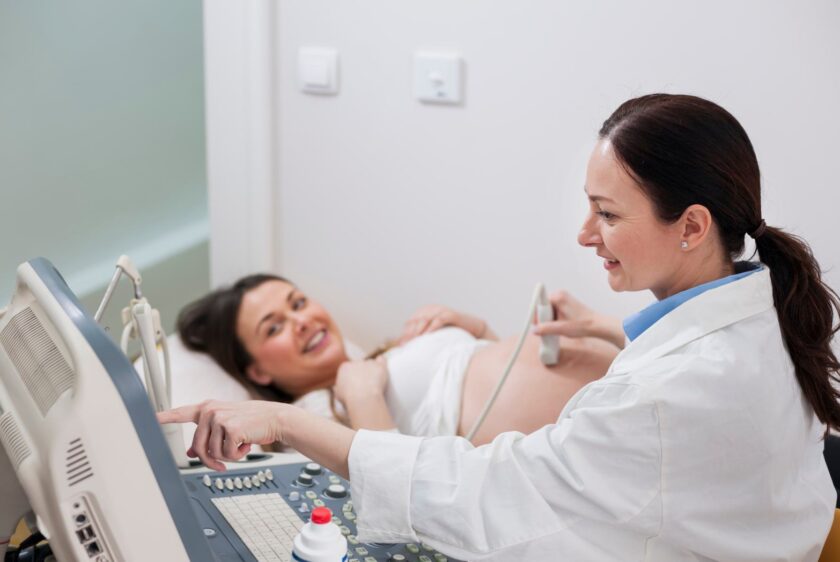
Pregnancy involves continuous changes in the body that support the growth and development of the baby. Regular prenatal care helps monitor these changes and identify any complications early.
Routine pregnancy checkups help:
- Track fetal growth
- Monitor maternal health
- Detect medical conditions early
- Prevent complications
- Ensure safe delivery planning
Women who attend regular antenatal visits often experience better pregnancy outcomes and reduced risks.
Gestational Diabetes
Gestational diabetes is one of the most common pregnancy complications. It occurs when blood sugar levels become elevated during pregnancy.
Warning Signs of Gestational Diabetes
Many women may not notice symptoms initially, but possible signs include:
- Increased thirst
- Frequent urination
- Fatigue
- Blurred vision
- Increased hunger
Uncontrolled gestational diabetes can affect both mother and baby, increasing the risk of complications during pregnancy and delivery.
Regular blood sugar testing and medical supervision help manage the condition effectively.
High Blood Pressure During Pregnancy
Pregnancy-induced hypertension can develop after the 20th week of pregnancy and requires close monitoring.
Warning Signs
Symptoms may include:
- Persistent headaches
- Blurred vision
- Dizziness
- Swelling of the face and hands
- Shortness of breath
High blood pressure can affect blood flow to the placenta and may increase pregnancy risks.
Early diagnosis and treatment are essential for protecting maternal and fetal health.
Preeclampsia
Preeclampsia is a serious pregnancy condition associated with high blood pressure and organ involvement.
Warning Signs of Preeclampsia
Women should seek immediate medical attention if they experience:
- Severe headaches
- Vision disturbances
- Sudden swelling
- Severe abdominal pain
- Difficulty breathing
- Rapid weight gain
Untreated preeclampsia can lead to severe complications for both mother and baby.
Regular prenatal monitoring helps identify this condition before it becomes dangerous.
Anemia During Pregnancy
Anemia occurs when the body does not have enough healthy red blood cells to carry oxygen efficiently.
Symptoms of Pregnancy-Related Anemia
Common signs include:
- Weakness
- Fatigue
- Pale skin
- Dizziness
- Shortness of breath
- Rapid heartbeat
Iron deficiency is one of the leading causes of anemia during pregnancy.
Proper nutrition, iron supplements, and regular blood tests help maintain healthy hemoglobin levels.
Thyroid Disorders in Pregnancy
Thyroid hormones play an important role in fetal growth and development.
Both underactive and overactive thyroid conditions can affect pregnancy outcomes.
Warning Signs
Symptoms may include:
- Extreme fatigue
- Weight changes
- Mood changes
- Increased sensitivity to temperature
- Rapid heartbeat
Routine thyroid screening helps ensure proper management throughout pregnancy.
Placenta Previa
Placenta previa occurs when the placenta partially or completely covers the cervix.
Warning Signs
The most common symptom is:
- Painless vaginal bleeding during the second or third trimester
Women experiencing any bleeding during pregnancy should seek immediate medical attention.
Careful monitoring and delivery planning are essential for managing placenta previa safely.
Placental Abruption
Placental abruption occurs when the placenta separates from the uterine wall before delivery.
Symptoms
Warning signs may include:
- Vaginal bleeding
- Severe abdominal pain
- Back pain
- Frequent contractions
- Reduced fetal movement
This condition can become a medical emergency and requires immediate evaluation.
Preterm Labor
Preterm labor occurs when labor begins before 37 weeks of pregnancy.
Warning Signs
Symptoms include:
- Regular contractions
- Pelvic pressure
- Lower back pain
- Vaginal discharge changes
- Abdominal cramping
Early treatment may help delay delivery and improve outcomes for the baby.
Women experiencing these symptoms should contact their healthcare provider immediately.
Hyperemesis Gravidarum
While morning sickness is common during pregnancy, some women develop severe nausea and vomiting known as hyperemesis gravidarum.
Symptoms
Common signs include:
- Persistent vomiting
- Dehydration
- Weight loss
- Inability to eat or drink
- Weakness
Medical treatment may be required to prevent dehydration and nutritional deficiencies.
Urinary Tract Infections During Pregnancy
Pregnant women have a higher risk of urinary tract infections due to hormonal and anatomical changes.
Symptoms
Warning signs include:
- Burning sensation while urinating
- Frequent urination
- Pelvic discomfort
- Fever
- Cloudy urine
Untreated infections can lead to kidney complications and pregnancy-related risks.
Prompt treatment helps protect both mother and baby.
Reduced Fetal Movement
As pregnancy progresses, mothers become familiar with their baby’s movement patterns.
When to Seek Medical Help
A noticeable decrease in fetal activity may indicate a potential problem.
Women should contact their healthcare provider if:
- Baby movements significantly decrease
- No movement is felt for several hours
- Movement patterns change suddenly
Fetal monitoring helps evaluate the baby’s well-being.
Excessive Swelling
Mild swelling is common during pregnancy, especially in the feet and ankles.
However, excessive swelling may indicate an underlying complication.
Warning Signs
Seek medical attention if swelling is:
- Sudden
- Severe
- Associated with headaches
- Accompanied by vision changes
These symptoms may indicate preeclampsia or other medical concerns.
Pregnancy Infections
Certain infections can affect both mother and baby during pregnancy.
Possible Symptoms
Warning signs include:
- Fever
- Chills
- Unusual vaginal discharge
- Abdominal pain
- Burning urination
Regular prenatal care helps detect infections early and minimize risks.
Importance of Regular Prenatal Checkups
One of the most effective ways to prevent pregnancy complications is through routine prenatal care.
Prenatal visits help doctors:
- Monitor blood pressure
- Check fetal growth
- Screen for diabetes
- Evaluate maternal health
- Detect complications early
Women should never skip scheduled antenatal appointments.
Healthy Pregnancy Tips
Maintaining a healthy lifestyle can reduce the risk of complications.
Eat a Balanced Diet
Include:
- Fruits
- Vegetables
- Whole grains
- Lean proteins
- Dairy products
Stay Hydrated
Adequate hydration supports overall health and fetal development.
Exercise Safely
Light physical activity helps maintain fitness and improve circulation.
Get Adequate Rest
Proper sleep supports maternal and fetal well-being.
Follow Medical Advice
Take prescribed supplements and medications exactly as directed by your doctor.
When Should You Contact Your Gynecologist Immediately?
Contact your healthcare provider immediately if you experience:
- Vaginal bleeding
- Severe abdominal pain
- High fever
- Severe headaches
- Blurred vision
- Reduced fetal movement
- Persistent vomiting
- Regular contractions before term
- Sudden swelling
Prompt medical evaluation can prevent serious complications.
Why Choose Humanity Hospital for Pregnancy Care in Hyderabad?
Humanity Hospital offers comprehensive maternity and women’s healthcare services designed to support healthy pregnancies and safe deliveries.
Our services include:
- Prenatal care
- High-risk pregnancy management
- Ultrasound scanning
- Fetal monitoring
- Gestational diabetes care
- Pregnancy diagnostics
- Normal delivery support
- Emergency maternity services
- Postnatal care
- Newborn care
Patients from Mehdipatnam, Nanalnagar, Toli Chowki, Attapur, Rajendranagar, Masab Tank, Khairatabad, Lakdikapul, Banjara Hills, and nearby areas trust Humanity Hospital for expert pregnancy care.
Conclusion
Although many pregnancies progress without major problems, understanding the common pregnancy complications and their warning signs is essential for protecting maternal and fetal health.
Regular prenatal care, early diagnosis, and timely medical intervention significantly improve pregnancy outcomes and reduce risks. Expectant mothers should remain aware of unusual symptoms and never hesitate to seek medical advice when concerns arise.
If you are searching for the best pregnancy care hospital in Hyderabad, high-risk pregnancy specialist near Mehdipatnam, best gynecologist in Nanalnagar, normal delivery hospital near Attapur, or maternity hospital near Toli Chowki, Humanity Hospital provides compassionate, affordable, and comprehensive maternity care for every stage of pregnancy.
For expert pregnancy care and maternity services, visit https://humanityhospital.in/


