A heart attack is a serious medical emergency that requires immediate attention. Recognising the early warning signs of a heart attack and seeking emergency medical care without delay can help reduce heart muscle damage and improve the chances of recovery. Many people associate a heart attack with sudden, severe chest pain, but symptoms can sometimes be mild, develop gradually, or appear differently in women, older adults, and people with diabetes.
Understanding when to visit an emergency hospital is essential for protecting your health and the health of your loved ones. If you or someone nearby experiences symptoms that could indicate a heart attack, do not wait for the symptoms to disappear on their own. Seek emergency medical assistance immediately.
For people looking for accessible medical care, choosing an appropriate emergency hospital in Hyderabad can be an important part of responding quickly to a medical crisis. Humanity Hospital provides healthcare services in Hyderabad, and patients should contact the hospital directly to confirm the current availability of emergency and cardiac care services.
What Is a Heart Attack?
A heart attack, medically known as a myocardial infarction, occurs when blood flow to part of the heart muscle becomes severely reduced or blocked. This commonly happens when a fatty deposit in a coronary artery ruptures and a blood clot forms, preventing enough oxygen-rich blood from reaching the heart muscle.
Without timely treatment, the affected heart muscle can become damaged or die. The amount of damage often depends on how quickly blood flow is restored and how much of the heart is affected.
A heart attack can happen to people with known heart disease as well as those who have never experienced noticeable heart problems. This is why recognising the symptoms and knowing when to visit an emergency hospital is extremely important.
Early Warning Signs of a Heart Attack
Heart attack symptoms can vary from person to person. Some people experience intense discomfort, while others notice less obvious symptoms that may initially be mistaken for indigestion, tiredness, or muscle pain.
1. Chest Pain or Discomfort
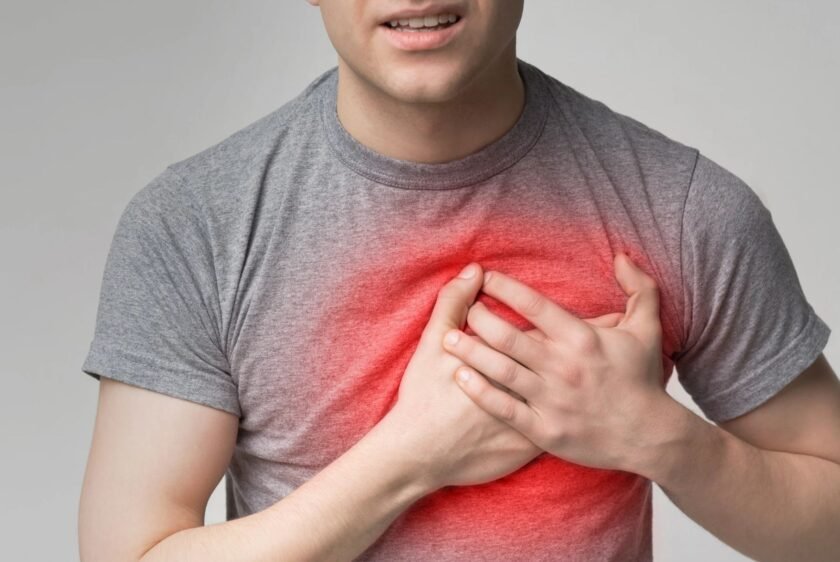
Chest discomfort is one of the most common heart attack warning signs. It may feel like pressure, tightness, squeezing, heaviness, fullness, or pain in the centre or left side of the chest.
The discomfort may last several minutes or disappear and return. Some people describe it as a heavy weight on their chest rather than sharp pain.
If you experience new, unexplained chest pressure or discomfort, particularly alongside sweating, breathlessness, nausea, or pain spreading to other parts of the body, seek emergency medical assistance immediately.
Do not assume that chest discomfort is harmless simply because it is mild or comes and goes.
2. Pain Spreading to the Arm, Shoulder, Back, Neck or Jaw
A heart attack can cause pain or discomfort beyond the chest. The sensation may spread to one or both arms, the shoulders, upper back, neck, jaw, or upper abdomen.
Some people experience discomfort in these areas without significant chest pain. This can make a heart attack harder to recognise.
Unexplained pain in these areas, especially when accompanied by other warning signs, requires urgent medical assessment. Do not wait for the pain to become severe before seeking help.
3. Shortness of Breath
Shortness of breath may occur before, during, or without noticeable chest discomfort. A person may feel unable to take a full breath, become breathless while resting, or experience unusual difficulty performing everyday activities.
Breathlessness can have many causes, including lung conditions and other medical problems. However, sudden or unexplained breathing difficulty can also indicate a heart attack or another serious emergency.
If breathing difficulty occurs with chest discomfort, cold sweating, faintness, or nausea, contact emergency medical services immediately.
4. Cold Sweating
Sudden cold sweating without an obvious explanation can be a warning sign of a heart attack. A person may develop clammy skin, feel unusually sweaty, or appear pale.
Sweating alone does not confirm a heart attack, but it should not be ignored when it occurs alongside chest pressure, breathlessness, dizziness, or nausea.
5. Nausea, Vomiting or Indigestion-Like Discomfort
Some people experiencing a heart attack develop nausea, vomiting, stomach discomfort, or a feeling similar to indigestion or heartburn.
These symptoms can be particularly misleading after a meal. However, new digestive discomfort accompanied by chest pressure, sweating, unusual weakness, or breathlessness may indicate a cardiac emergency.
If you are uncertain whether symptoms are caused by indigestion or a heart problem, do not delay emergency assessment when a heart attack is possible.
6. Dizziness, Lightheadedness or Fainting
A heart attack may affect the heart’s ability to maintain adequate blood circulation. This can lead to dizziness, sudden weakness, lightheadedness, or fainting.
A person may feel as though they are about to collapse or may lose consciousness. These symptoms can also occur with dangerous heart rhythm problems and other emergencies.
Sudden fainting, particularly when accompanied by chest pain or difficulty breathing, requires immediate medical attention.
7. Unusual Fatigue or Weakness
Some people experience unusual tiredness, reduced stamina, or weakness before a heart attack. This may be more noticeable in women and older adults, although symptoms vary considerably.
For example, a person may struggle with routine activities that previously caused no difficulty. Fatigue alone is common and usually has many possible explanations, but sudden or unexplained weakness alongside other heart attack warning signs should be treated seriously.
Do Heart Attack Symptoms Differ in Women and Men?
Heart attacks can affect people of all genders, and symptoms overlap considerably. Chest discomfort remains a common symptom in women and men.
However, some women may experience less typical presentations, including unusual fatigue, nausea, breathlessness, back or jaw discomfort, or general weakness. These symptoms can occur with or without prominent chest pain.
Because symptoms differ between individuals, women should not dismiss unusual discomfort or exhaustion as stress or routine tiredness when a heart problem is possible.
The safest approach is to seek emergency medical assessment for new, concerning symptoms rather than trying to determine whether they match a particular pattern.
When Should You Visit an Emergency Hospital?
You should seek emergency medical help immediately if you experience symptoms that could indicate a heart attack, particularly:
- New chest pressure, tightness, squeezing, or unexplained discomfort.
- Chest discomfort spreading to the arm, back, shoulder, neck, or jaw.
- Sudden shortness of breath.
- Chest discomfort accompanied by cold sweating, nausea, or dizziness.
- Sudden fainting or collapse.
- Severe or unexplained weakness occurring with other possible cardiac symptoms.
Do not wait for symptoms to become severe or last a particular number of minutes. Heart attack symptoms can be intermittent, and early treatment is important.
Call India’s emergency number, 112, or the locally available ambulance service if a heart attack is suspected. Do not drive yourself to the hospital. Emergency medical personnel can assess the situation and begin appropriate care during transport.
Even if symptoms improve, urgent medical assessment is still necessary because symptoms can temporarily disappear and return.
What Should You Do While Waiting for Emergency Help?
Knowing what to do before an ambulance arrives can help reduce avoidable risks.
Stay Calm and Stop Physical Activity
Stop walking, exercising, or performing strenuous tasks. Help the person sit in a comfortable position and remain as still as possible while awaiting medical assistance.
Avoid unnecessary movement, especially if the person is breathless, dizzy, or experiencing chest discomfort.
Call Emergency Services Immediately
Explain the symptoms clearly and provide the person’s location. Follow the emergency operator’s instructions and do not delay the call to search for a hospital online or arrange private transport.
Do Not Let the Person Drive
A person experiencing a possible heart attack should not drive themselves. Their condition may worsen suddenly, putting them and others at risk.
An ambulance is generally the safest option because emergency personnel can assess and manage the patient during transport.
Use Medication Only With Appropriate Guidance
If emergency services or a qualified healthcare professional advises taking aspirin, follow their instructions and disclose any allergy, bleeding disorder, or other relevant medical history. Aspirin is not appropriate for everyone.
Do not give someone else their prescription heart medication or take extra doses of medication without medical advice.
If the Person Collapses
If the person becomes unresponsive and is not breathing normally, call emergency services and begin CPR if you are able. Ask someone to bring an automated external defibrillator (AED), if available, and follow its voice instructions.
If you are not trained in CPR, the emergency operator can guide you through the steps.
How Is a Heart Attack Diagnosed in an Emergency Hospital?
When a patient arrives with possible heart attack symptoms, the medical team assesses the patient’s condition and begins appropriate investigations as quickly as possible.
Electrocardiogram (ECG)
An ECG records the heart’s electrical activity and can identify changes that suggest a heart attack or another heart problem. It is an important early investigation in emergency cardiac assessment.
A normal initial ECG does not always rule out a heart attack, so further evaluation may be necessary.
Blood Tests for Cardiac Markers
Doctors commonly use blood tests measuring cardiac troponin, a protein released when heart muscle cells are damaged. Depending on the timing of symptoms and initial results, repeat testing may be required.
Additional Investigations
Depending on the patient’s condition, doctors may recommend an echocardiogram, coronary angiography, or other investigations. These tests help assess heart function and identify possible blockages.
The appropriate treatment depends on the type of heart attack, the patient’s condition, and the findings of the emergency evaluation.
Common Risk Factors for a Heart Attack
Understanding heart attack risk factors can help people take preventive steps. Important risk factors include:
- High blood pressure: Can damage blood vessels over time and increase cardiovascular risk.
- High cholesterol: Elevated levels of certain blood fats can contribute to plaque buildup in arteries.
- Diabetes: Increases the risk of cardiovascular disease.
- Smoking and tobacco use: Damage blood vessels and increase the risk of heart disease.
- Physical inactivity: Can contribute to several cardiovascular risk factors.
- Excess weight: May increase the likelihood of high blood pressure, diabetes, and abnormal cholesterol.
- Family history: A family history of early heart disease may increase personal risk.
- Increasing age: Cardiovascular risk generally increases with age.
People with these risk factors should discuss appropriate screening and prevention with a healthcare professional. However, heart attacks can also occur in people without obvious risk factors.
How Can You Reduce Your Risk of a Heart Attack?
Although not every heart attack can be prevented, healthy habits and appropriate medical care can reduce cardiovascular risk.
Eat a Heart-Healthy Diet
Choose a balanced diet rich in vegetables, fruits, whole grains, legumes, nuts, and other nutritious foods. Limit excessive salt, trans fats, and highly processed foods. Your dietary needs may differ if you have diabetes, kidney disease, or another medical condition.
Exercise Regularly
Regular physical activity supports heart health. Adults should generally aim for at least 150 minutes of moderate-intensity aerobic activity per week, when medically appropriate. Start gradually if you have been inactive, and seek medical advice before beginning strenuous exercise if you have symptoms or known heart disease.
Monitor Blood Pressure, Cholesterol and Blood Sugar
Regular health assessments can identify risk factors before they cause noticeable symptoms. If you have high blood pressure, diabetes, or high cholesterol, follow your clinician’s advice on monitoring and treatment.
Avoid Tobacco
Stopping smoking and avoiding other tobacco products can improve cardiovascular health. Healthcare professionals can help you find appropriate support if quitting is difficult.
Take Prescribed Medication Correctly
If you have been prescribed medication for blood pressure, cholesterol, diabetes, or heart disease, take it as directed. Do not stop or change your treatment without consulting your healthcare professional.
Finding an Emergency Hospital in Hyderabad
When searching online for an emergency hospital in Hyderabad, consider whether the facility can provide the level of urgent care required. For suspected heart attacks, rapid assessment and access to appropriate cardiac treatment are particularly important.
Humanity Hospital is a healthcare facility in Hyderabad offering medical services. People looking for an affordable hospital in Hyderabad or a multispeciality hospital in Hyderabad can visit the official website at https://humanityhospital.in/ to learn more about the hospital’s services and contact details.
For a suspected heart attack, however, do not delay emergency care while comparing hospitals or browsing websites. Call emergency services and confirm that the receiving facility can manage the emergency. Availability of cardiac specialists, emergency procedures, and other services should be verified directly.
Frequently Asked Questions
1. What is the first warning sign of a heart attack?
Chest pressure, tightness, or discomfort is one of the most common warning signs. Other symptoms include shortness of breath, sweating, nausea, dizziness, and pain spreading to the arm, jaw, neck, or back. Symptoms vary, so any concerning combination should be assessed urgently.
2. Can a heart attack occur without chest pain?
Yes. Some people experience shortness of breath, nausea, unusual fatigue, dizziness, or discomfort in the back, jaw, or upper abdomen without prominent chest pain. This is why it is important not to rely on chest pain alone when recognising a possible heart attack.
3. Should I wait to see whether chest pain goes away?
No. If you suspect a heart attack, seek emergency medical assistance immediately. Symptoms may come and go, and temporary improvement does not reliably rule out a serious heart problem.
4. What tests are used to diagnose a heart attack?
Doctors commonly use an ECG and blood tests for cardiac troponin. Depending on the findings, additional tests such as an echocardiogram or coronary angiography may be required.
5. When should I call an ambulance for chest pain?
Call emergency services immediately if chest pain is new, unexplained, severe, persistent, or accompanied by breathlessness, sweating, nausea, faintness, or pain spreading to other areas. If a heart attack is suspected, do not drive yourself to the hospital.
6. Can young adults have a heart attack?
Yes. Heart attacks are more common with increasing age, but they can occur in young adults too. Smoking, diabetes, high blood pressure, abnormal cholesterol, certain inherited conditions, and other factors can increase risk.
7. Where can I find affordable healthcare in Hyderabad?
People searching for affordable healthcare in Hyderabad can visit the official Humanity Hospital website at https://humanityhospital.in/ to review available services and contact information. For a suspected heart attack, call emergency services immediately rather than delaying care to compare facilities.


